· 3 min read
A Small Bag Gift with Included Components Clear
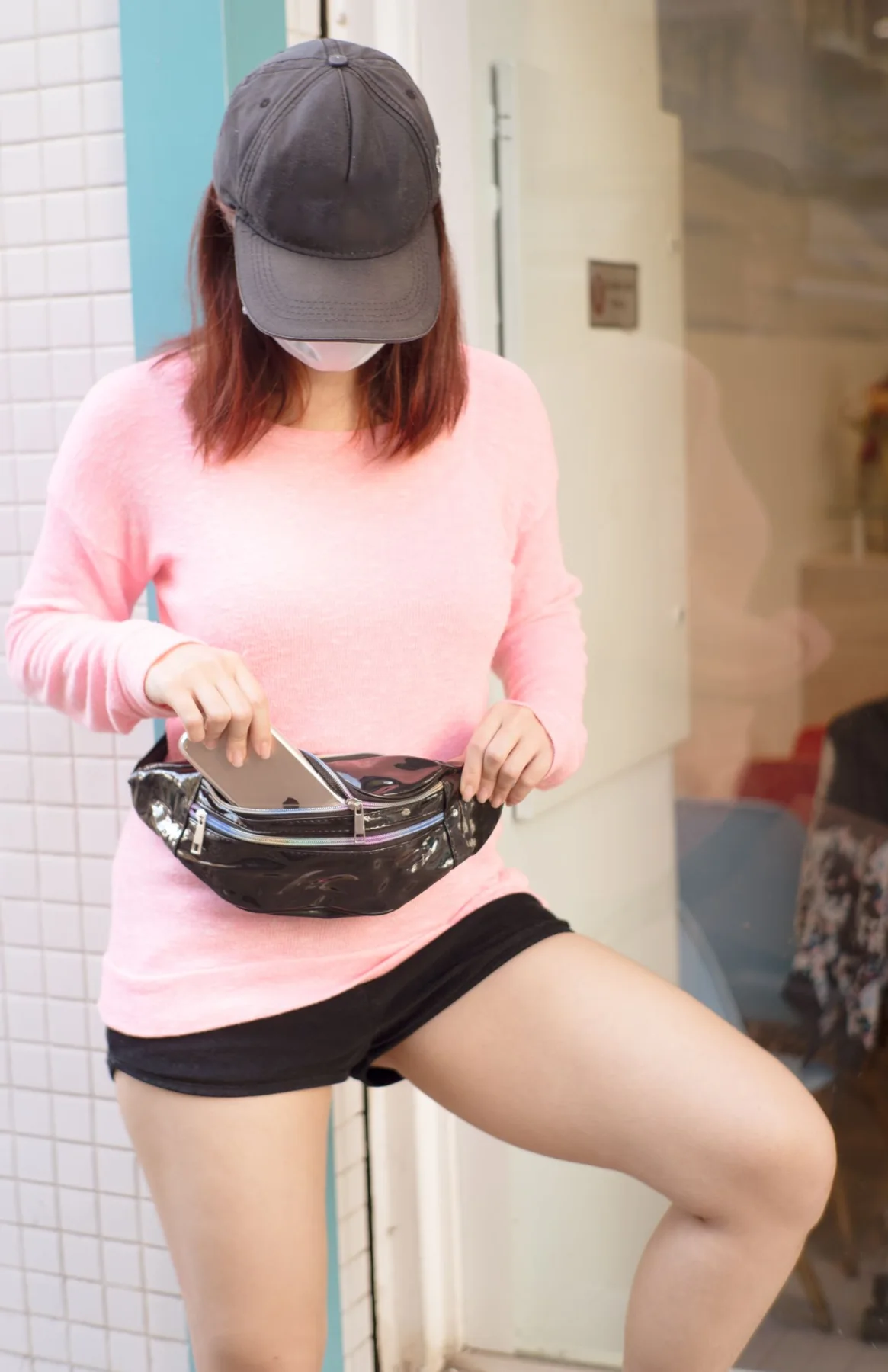
A small bag gift can look complete in a product photograph while the actual purchase contains a different set of components. Read the included-items description before choosing it. The useful decision connects the bag's intended carrying role with the recipient's expressed preferences, rather than a display that may include optional accessories.
Begin with the actual role
Use what the recipient has said about ordinary carrying needs where available. A bag for a particular event and an everyday accessory may need different arrangements. Do not infer that a compact shape is suitable simply because the person prefers to carry fewer belongings.
Keep individual needs and preferences with the recipient. A gift should not assign a new routine or require them to replace an existing bag immediately. A clear small option can remain useful without a promise that it serves every activity.
Read the selected product
Check the exact version where several sizes or styles share a page. Look for what is actually included: a strap, pouch or other component may be optional. Do not transfer information from the most attractive gallery image to another selected option.
Clarify a missing detail with the seller where it matters. Similar hardware or colour does not establish compatibility with an accessory already owned. The purchase should not depend on an unverified substitute being found later.
Review intended operation
Read the maker's guidance for fastening and carrying. A decorative loop is not automatically an attachment point. Keep the actual component roles clear rather than assigning functions based on appearance.
Check the stated size and what the dimensions include. A display can make a compact bag appear more generous than the real interior. Avoid promising that the recipient's particular belongings will fit unless that comparison is genuinely understood through appropriate information.
Preserve care and gift details
Retain relevant product instructions through wrapping and understand the seller's actual current gift or exchange process where important. Do not remove useful labels solely to make the present appear less commercial. A clear identified item is easier to assess afterward.
Use a suitable presentation that respects the bag and its supplied parts. Keep components associated without placing pressure on finishes or forcing them into an unsuitable compartment. A tidy package should not create a new product condition question.
Leave the final choice open
Offer the bag without an obligation to use it publicly or style an outfit around it. The recipient may prefer a different role or decide that the item is not suitable. Relevant information supports that judgement rather than replacing it with the giver's expectations.
Complete any agreed follow-up through the actual process. A successful small-bag gift arrives as an understood object with its intended components. Its usefulness comes from a clear practical choice, not the number of accessories that happened to appear beside it in the product photograph.
Related reading
Everyday Accessories That Make an Outfit Feel Finished, Birthday Gifts for the Friend Who Is Hard to Shop For.
Our guides offer styling and buying criteria, rather than hands-on product test results. Always check the retailer’s current measurements, materials, prices and return terms before ordering.