· 5 min read
Everyday Accessories That Make an Outfit Feel Finished
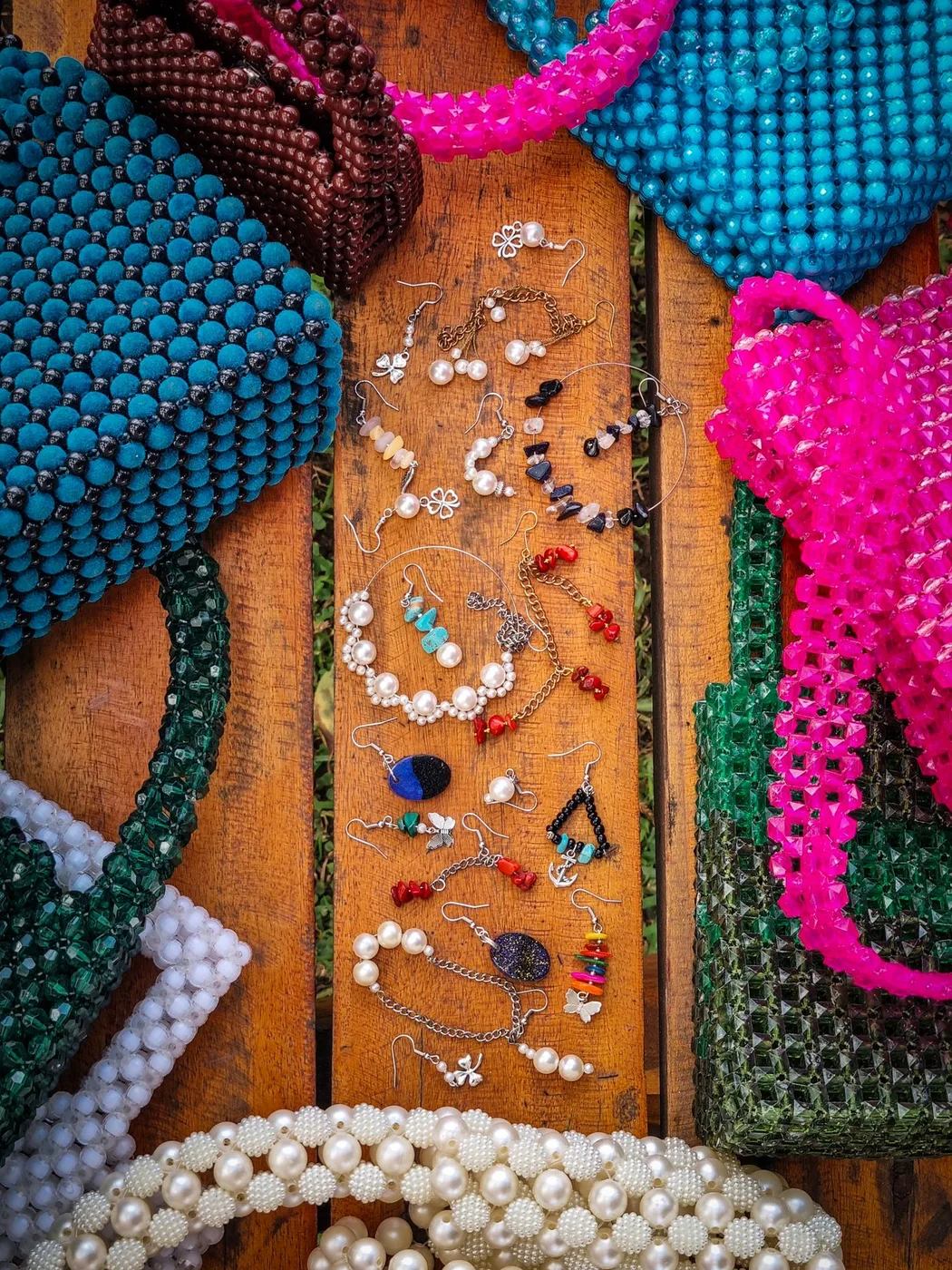
An outfit can be comfortable and appropriate yet still feel slightly unfinished. Often the missing element is small: a belt that connects two colors, earrings that frame a simple neckline or a bag with enough structure for the rest of the clothes.
Accessories are most useful when they work with what you already wear. Before shopping, take three ordinary outfits and identify what each needs. The answer may be the same practical piece, or nothing beyond wearing an existing item differently.
Start with a functional role
A belt can improve fit as well as add definition. Check its width against the loops on your trousers, and consider the buckle with the rises you wear. A large buckle might feel awkward while sitting, even if it looks appealing in a standing photograph.
A bag should carry the day’s belongings comfortably. Decide whether you need room for a laptop, a water bottle or just a few essentials. Measure important items rather than relying on a product photograph for scale.
Jewelry has a less practical role, but comfort still matters. Think about weight, closures and whether a piece catches on knitwear. Consult the listed materials if you have known sensitivities instead of assuming a particular finish is suitable.
Use proportion to guide the choice
A wide neckline may leave room for a necklace, while a detailed collar may feel complete without one. A substantial tote can balance relaxed layers, but it may dominate a light outfit. The point is to look at the whole combination rather than evaluate accessories in isolation.
Try one change at a time. Add earrings, look again and decide whether another piece is necessary. This makes it easier to notice which detail improves the outfit and which merely adds activity.
If your clothes are mostly simple, texture can provide variety: a woven surface, smooth leather or a small polished detail. You do not need every finish in the same outfit.
Repeat one element
Repeating a color or metal tone can connect separate pieces. A brown belt might relate to a bag without matching its exact shade. A silver-toned watch and simple earrings can create continuity around an otherwise casual outfit.
Mixed metals can also work when the combination feels deliberate to you. There is no requirement to replace useful jewelry simply because every piece is not identical. Start with the items you reach for and see how they look together in daylight.
For footwear that supports these combinations, the thoughtful shoe rotation guide focuses on useful roles and outfit compatibility.
Buy for your actual routine
Someone who carries a laptop on public transport needs a different everyday bag from someone heading out with keys and a phone. Someone who wears headphones throughout the day may prefer small earrings to large shapes that interfere.
Write down the inconvenience you want the purchase to solve. If the answer is only that your current accessories feel familiar, experiment with styling before buying. Familiarity can be a sign that an item works well.
When shopping, compare closures, strap adjustment, dimensions and care. A low price does not compensate for a strap that slips constantly or a clasp you find difficult to use. Check return conditions for items involving personal comfort.
Keep a small accessible selection
Store the most-used pieces where you can see them while dressing. Separate delicate chains appropriately and follow care instructions for materials and finishes. Avoid piling everything into a container that makes selection feel like searching.
Seasonal reassessment can be useful. A scarf may enter the daily rotation while a summer bag moves aside. Our seasonal closet reset explains how to make these changes without replacing the whole wardrobe.
Before adding another accessory, ask whether it works with three outfits, fits your routine and offers a role your existing pieces cannot cover. If the answer is unclear, wait until a specific need appears.
For online purchases, compare the measurements with an accessory you already own. Paper cut to the listed bag dimensions can clarify its scale; a ruler can help assess the length of an earring. Product photographs often use carefully selected angles and styling, so a simple physical comparison is more reliable than imagining the size from the model alone.
Frequently asked questions
Do shoes, belts and bags need to match exactly?
No. A shared color family, similar level of formality or repeated finish can provide enough connection. Evaluate the whole outfit and choose what feels comfortable and coherent.
Is it better to invest in one expensive accessory?
Price alone cannot decide value. Look at construction, care, comfort, return terms and likely use. A well-suited modest item may earn more wear than a costly piece bought for an occasional imagined outfit.
Our guides offer styling and buying criteria, rather than hands-on product test results. Always check the retailer’s current measurements, materials, prices and return terms before ordering.