· 5 min read
A Thoughtful Shoe Rotation for Real Everyday Plans
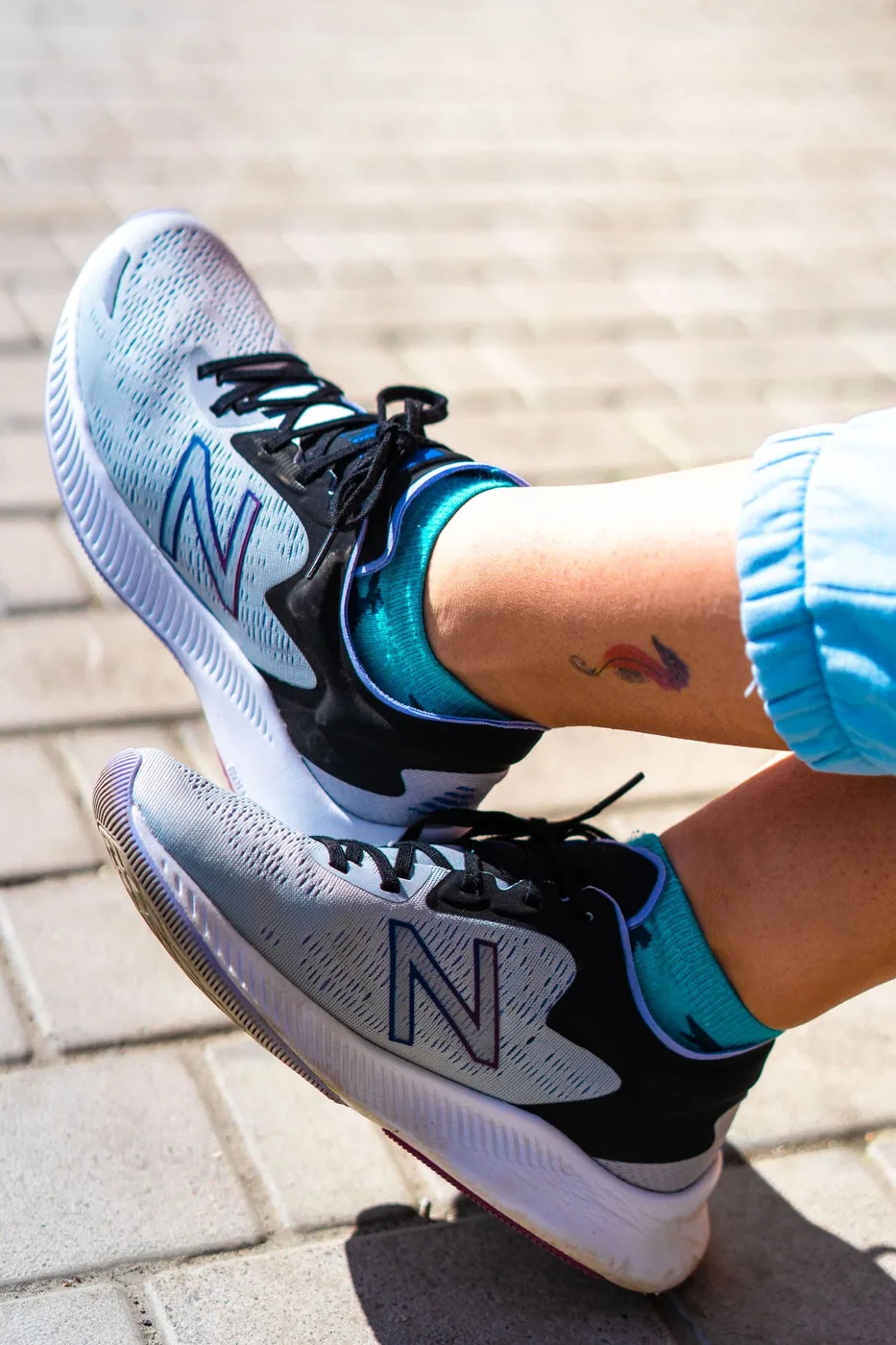
A useful shoe wardrobe starts with the ground you walk on. A pair that looks lovely beside a bedroom mirror may be frustrating on a rainy station platform, while a substantial walking shoe can feel excessive for a short office commute. Before adding another style, consider an ordinary week: the distance traveled, the surfaces underfoot and how often plans change after leaving home.
The aim is enough choice to dress comfortably, without maintaining a collection of near duplicates. Three different jobs often provide a better starting point than three different colors.
Give each pair a clear job
For an everyday walking pair, prioritize secure fastening, sufficient room through the toes and a sole that suits your usual route. A clean sneaker works with casual trousers, denim and relaxed skirts, but a minimal silhouette does not automatically mean comfortable construction. Check how it feels rather than treating the style name as a promise.
For a tidier pair, consider loafers, ballet flats or another low shoe compatible with your working wardrobe. Try it with the actual trouser lengths you own. A loafer that fits beautifully can still be inconvenient if every hem catches beneath the heel.
The third job might be wet-weather footwear, an occasion shoe or a summer sandal. Choose the need that occurs repeatedly. If formal events happen twice a year, an attractive everyday pair may deserve more of the budget than a special heel.
Shop with your socks and schedule in mind
Bring or wear the socks you intend to use. Thin hosiery and cushioned socks can change fit considerably. Try both shoes, stand and walk, and notice whether your heel slips or your toes feel crowded. Leave a pair behind if the sales pitch depends on enduring substantial discomfort until it stretches.
Feet can feel different after a long day. When practical, compare fit at a time that resembles when you will wear the shoes. Buying online requires a little more preparation: check the retailer’s sizing notes, whether the brand offers widths and the return conditions before ordering.
Keep the first try-on indoors on a clean surface. Walk at a normal pace, turn and sit down. Do not assume a fit problem will disappear simply because the shoes look right with one outfit.
Coordinate shape before color
A cream sneaker, black loafer and brown sandal can coexist without every bag matching every shoe. What matters more is whether their shapes suit your everyday clothes. A wide trouser leg may need more visual weight underneath; a cropped tapered leg can work with a slimmer profile.
Take a photograph of a complete outfit you wear often. Use it as a shopping reference rather than imagining a new wardrobe around the shoes. Our guide to finding your denim fit is useful when trouser and shoe proportions keep making an outfit feel unsettled.
If you prefer a compact wardrobe, repeat a finish: mostly matte leather, understated canvas or another surface that suits your clothes. Consistency can make mixed colors feel intentional without imposing a rigid matching rule.
Know the tradeoffs
Very pale shoes show marks readily. Smooth leather may be easier to wipe than textile, but maintenance and weather suitability still depend on the manufacturer’s instructions. A delicate sole can look elegant while offering less protection on rough pavements. A heavier shoe may feel reassuring underfoot yet awkward to pack.
Choose the compromise for your actual day. Someone who walks between meetings needs a different pair from someone whose shoes mostly travel between a car and a desk. Avoid buying a second pair in another color before the first has earned its place.
Keep the rotation useful
Store shoes where you can see them, allow damp pairs to dry according to their care guidance and assess wear periodically. If a pair stays untouched, identify the reason: poor fit, difficult styling or a lifestyle that no longer exists. Cleaning will not solve the wrong size, and a new outfit will not necessarily solve an uncomfortable sole.
Before purchasing, check four things: a specific job, a comfortable indoor try-on, compatibility with three outfits and realistic care requirements. A seasonal closet reset can reveal an overlooked pair before you buy another.
Frequently asked questions
How many everyday pairs are enough?
There is no universal number. Begin with the jobs your week requires and avoid counting occasional footwear as part of your everyday rotation. Add a pair when a recurring need remains uncovered.
Should every shoe match my everyday bag?
Exact matching is optional. Repeating a color elsewhere in the outfit, or keeping finishes similarly understated, can provide enough connection. Fit and suitability for the day should come first.
Our guides offer styling and buying criteria, rather than hands-on product test results. Always check the retailer’s current measurements, materials, prices and return terms before ordering.