· 5 min read
Understanding Fabrics Before You Buy Another Wardrobe Basic
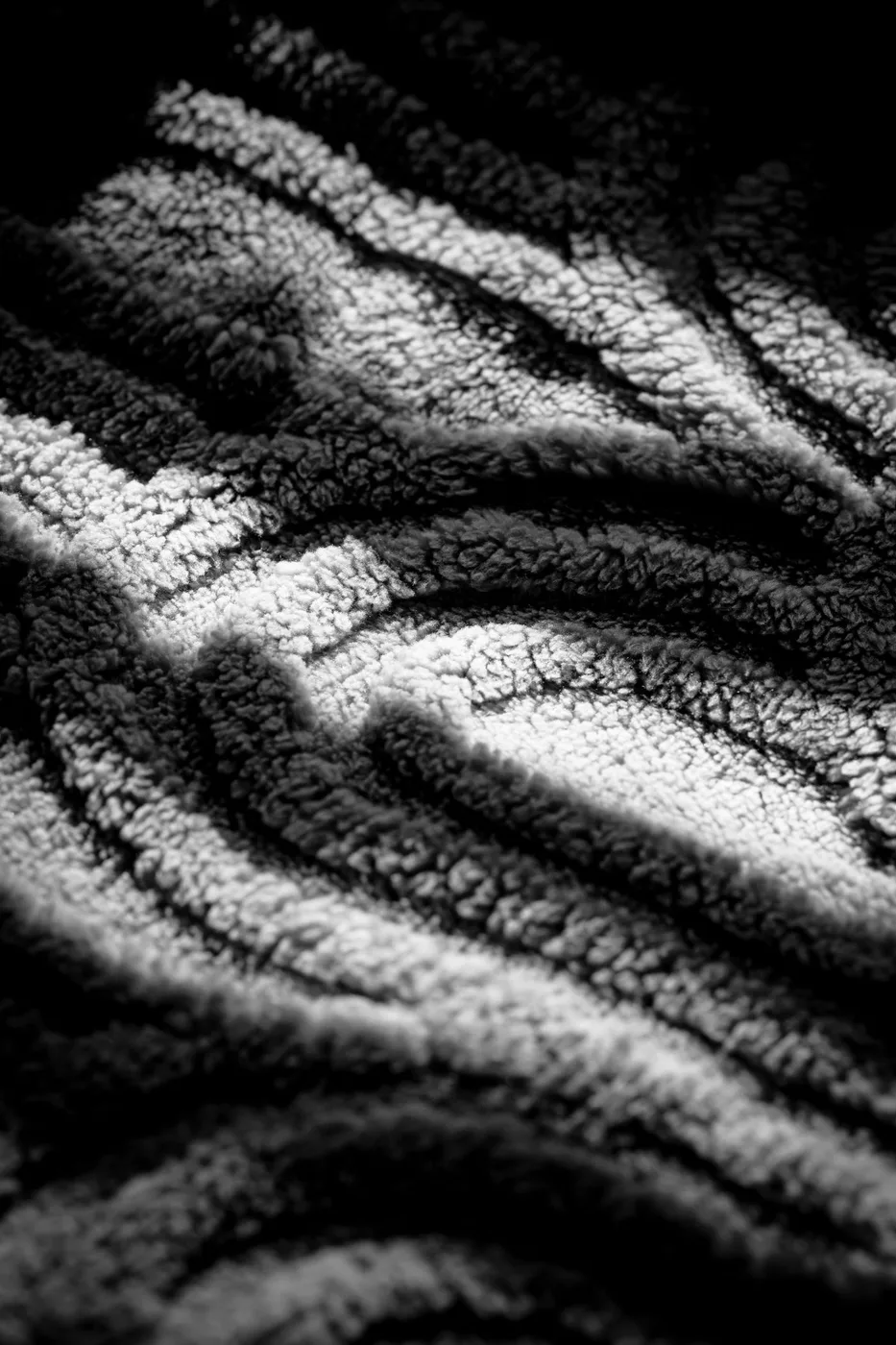
Two shirts can share a color and silhouette while behaving differently through a working day. One may hold a crisp shape; another may fall softly under a cardigan. The useful question is not simply which fabric is best, but which fabric and construction suit the garment’s job.
When shopping online, a material label is a starting point. It cannot fully communicate thickness, surface texture or how a finished garment hangs. Pair the composition with close-up photographs, care instructions and measurements before deciding.
Begin with the job of the garment
A T-shirt worn beneath a jacket needs a neckline and surface that sit neatly with the outer layer. A loose weekend tee may benefit from a softer feel and a relaxed shape. Work trousers should suit both your preferred silhouette and the time you can give their care.
Think about where the garment will spend most of its time. A commute, a warm office, a chilly restaurant and a suitcase create different requirements. Writing a one-line job description makes it easier to resist a beautiful fabric that is impractical for the intended use.
For example, “light layer for an air-conditioned office, washable at home” is more useful than “nice cardigan.” That description points toward checking weight, closures and the care label before comparing colors.
Read composition and construction together
Cotton, linen, wool and manufactured fibers each appear in many different weaves and knits. A fiber name alone does not guarantee softness, durability or a particular temperature experience. A densely woven cotton shirt and a lightweight cotton jersey tee will feel different because their construction is different.
Blends can change stretch, texture and drape. An added stretch fiber may be useful in close-fitting trousers, but the whole garment still needs to fit comfortably. Do not use stretch as a reason to accept a waistband or seam that pulls.
Look closely at seams, hems and the fabric surface. If possible, gently move the garment and see whether it returns to a shape you like. With online shopping, read whether the fabric is described as lined, sheer, brushed or structured, and check photographs in more than one pose.
Treat care as part of the price
A discounted sweater is less appealing if its recommended care requires a routine you will not follow. Read the label before removing tags. Consider drying space, washing frequency and whether professional cleaning fits your budget.
Avoid assuming that every garment made from the same fiber can be washed the same way. Dyes, trims, linings and construction can change the instructions. Follow the guidance attached to the particular item.
If your week is crowded, prioritize basics whose care matches what you already do. Keep more demanding pieces for roles where their appearance or texture offers something meaningful. This is a practical compromise, not a ranking of one fiber above another.
Check opacity and movement
For pale trousers or fine knitwear, inspect the garment in ordinary light. Check how it looks while seated and whether pockets, underwear or inner seams show more than you want. A lining can affect how the garment feels and hangs, so examine it as carefully as the outer fabric.
With tops, move your arms and sit down. A fabric that looks smooth when standing may pull across the shoulders during everyday movement. Our denim fit guide uses the same principle: evaluate the activity, not only the mirror pose.
If an item needs a separate camisole or slip, count that extra layer in the purchase decision. It may be an easy solution, but it changes cost, warmth and how quickly you can get dressed.
Build a short shopping checklist
Before buying, ask whether the garment has the intended weight, enough opacity, comfortable movement and manageable care. Then check whether the fabric works with two existing layers. A textured knit that catches beneath a close jacket may be better suited to another role.
For a small wardrobe, a few compatible textures often offer more variety than many nearly identical pieces. The spring capsule wardrobe provides a way to organize these choices around complete outfits.
Frequently asked questions
Is a natural fiber always the better purchase?
No single label decides the purchase. Fit, construction, intended use, care and personal preference all matter. Assess the finished garment and seek specific evidence for any performance or environmental claim.
Can product photographs show fabric quality?
They can help you judge surface and drape, but lighting and styling have limits. Use detail images alongside composition, measurements and return terms. Inspect the garment before deciding to keep it.
Our guides offer styling and buying criteria, rather than hands-on product test results. Always check the retailer’s current measurements, materials, prices and return terms before ordering.