· 5 min read
A Calm Getting-Ready Ritual for Busy Weekday Mornings
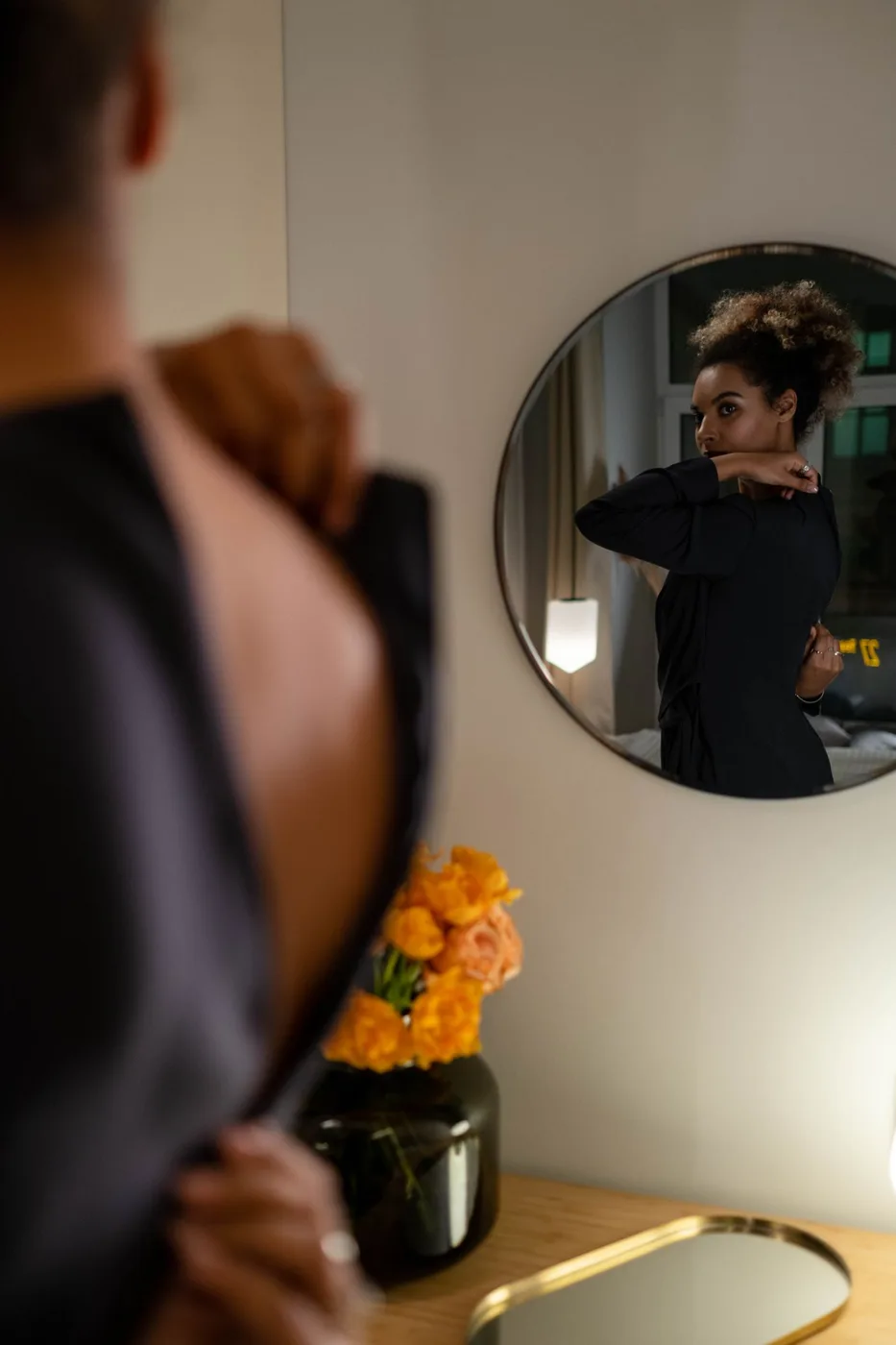
A busy morning can turn a small clothing decision into a search through drawers, laundry and bags. The solution does not need to be a longer routine. A few decisions made when there is less pressure can make getting dressed more predictable.
Think of the process as preparing the path to the door. Clothes, shoes and the things you carry should be easy to find, compatible with the day’s plans and ready to use. The routine should support the schedule you have rather than add another standard to meet.
Begin with tomorrow’s real plans
Before choosing clothes, look at the forecast and the day’s commitments. A walk to the station, a video meeting and an evening dinner might need different adjustments to the same outfit. Identify the least flexible requirement first, such as footwear suitable for the walk.
Choose a complete base outfit, including underwear, socks and shoes. A top and trousers placed on a chair do not fully resolve the morning if the right socks are still drying. Check that the pieces are clean and that obvious repairs or creases will not surprise you.
Keep an alternative layer nearby when the temperature is uncertain. One useful option is enough; setting out three complete outfits simply moves the decision to a new location.
Create dependable outfit formulas
A formula is a combination you know works: a cotton tee, straight trousers and a cardigan, for example. It reduces the number of decisions while leaving room to change color, texture or accessories.
Write down three formulas appropriate for your actual week. Include one for a more polished day, one for a casual day and one for uncertain weather. Build them from clothing you already wear comfortably.
The spring capsule wardrobe guide offers a way to connect individual items into complete outfits. You can use the same method in any season by adjusting the layers.
Give small belongings a home
Keys, a wallet and the bag you carry deserve a consistent landing place. Choose a tray, hook or drawer that is convenient to the door without obstructing the space. The best location is the one you will use when arriving tired.
Pack the essentials before bed if that fits your household routine. Check that the bag suits the next day rather than transferring everything from yesterday automatically. A heavy tote full of unrelated items can make a simple commute more cumbersome.
Avoid buying a new organizer before understanding the problem. If the same three objects get misplaced, a visible tray may help more than a complicated system of small compartments.
Keep finishing details limited
Place one or two everyday accessories where you get dressed. A familiar pair of earrings, a belt or a watch can finish an outfit without starting another search. Store delicate pieces appropriately and keep the area clear enough to see what is available.
If accessories feel difficult, choose them around a practical need. A belt that helps a trouser fit is easier to justify than one bought solely for a photograph. Our everyday accessories guide explains how to choose a small set with useful roles.
The goal is not to complete every possible styling step. On a rushed morning, a clean, comfortable outfit that suits the day is already doing its job.
Allow a recovery option
Some evenings will be too busy to prepare. Keep one reliable outfit available for those mornings instead of letting a missed step derail the process. Choose clothes that work together and do not require unusual care or special footwear.
If preparation repeatedly fails, simplify it. Perhaps checking the forecast and placing shoes by the bag is enough. A routine that takes two manageable minutes is more useful than an elaborate version abandoned after several days.
Review the system when your schedule changes. A new commute, a different work setting or a seasonal shift may require a small adjustment rather than new clothes.
If you share a bedroom or hallway, agree on a preparation spot that does not block another routine. A hook behind a door or a single shelf can work better than clothes spread across shared furniture. Put away unused options promptly so the setup remains helpful, and keep the exit clear when placing shoes or bags nearby.
Frequently asked questions
Do I need to plan a whole week of outfits?
Only if that helps you. Planning the next day is often enough when weather and schedules change. Keep a few dependable formulas available for flexibility.
Should I buy matching organizers for the routine?
Start with what you already own. Identify a specific storage problem first, measure the available space and buy only an item that makes the process easier to maintain.
Our guides offer styling and buying criteria, rather than hands-on product test results. Always check the retailer’s current measurements, materials, prices and return terms before ordering.