· 3 min read
A Cuff Arrangement for a Utility-Style Outer Layer
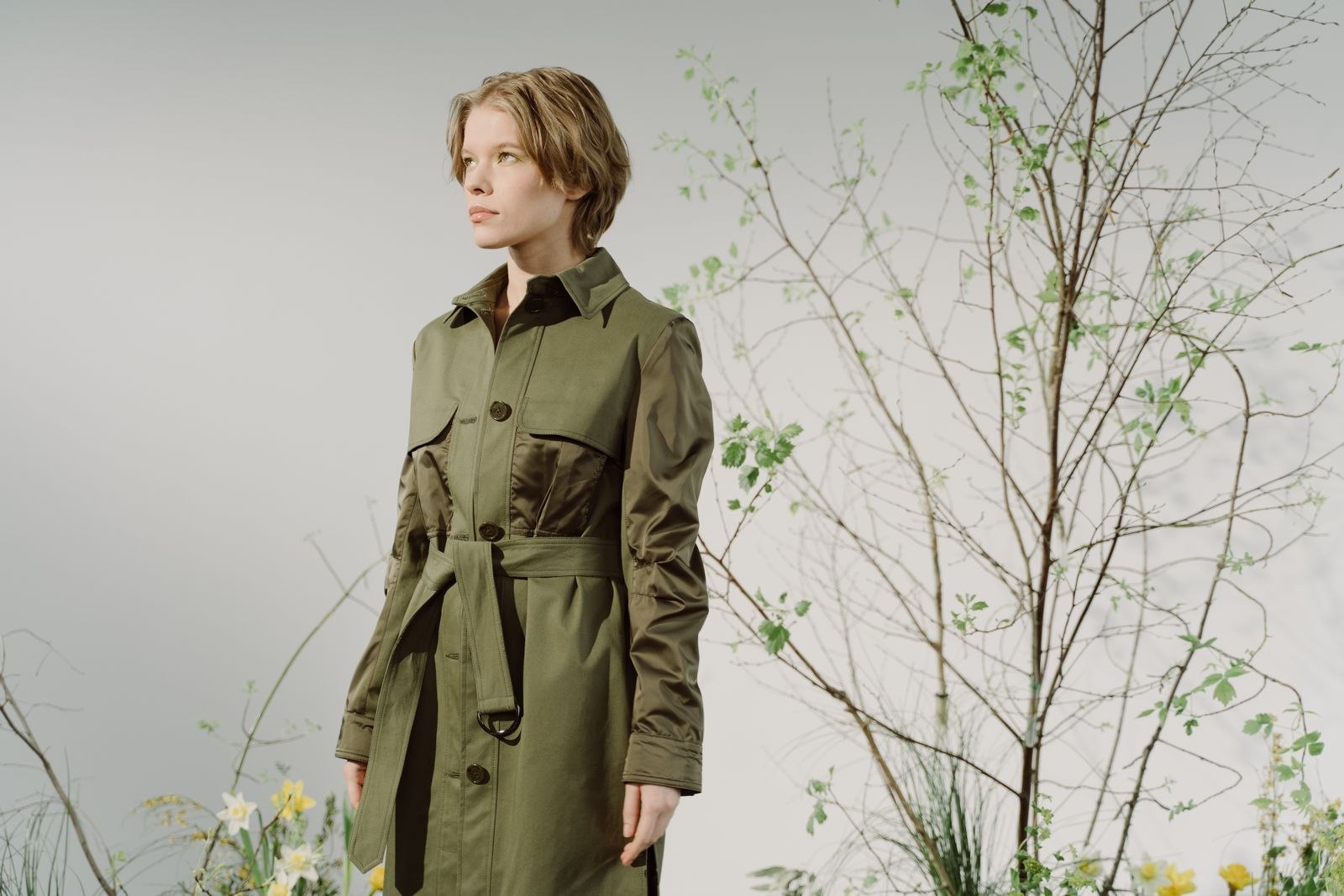
A utility-style outer layer can offer several visible cuff details without every one being intended for the same adjustment. Read the actual construction before choosing a wearing arrangement. The useful comparison involves the inner sleeve and the day’s ordinary movement, not only the outer garment's appearance in a styled photograph.
Identify the intended operation
Use the maker's information for buttons, tabs or other cuff components. Do not assume a decorative detail is adjustable or that every fastening can hold a rolled sleeve. Keep unfamiliar operation as a question rather than testing it through force.
Check condition before styling. A loose or damaged component needs appropriate attention, not a new fold that conceals it. The garment should be ready for its intended use before the cuff becomes the focus of an outfit experiment.
Wear the actual inner layer
Choose the shirt or knit planned for the day and let its sleeves settle normally. A narrow temporary top can make an outer cuff seem more generous than it is in the real outfit. Include any ordinary wrist accessory only if it belongs to the intended wearing arrangement.
Put on the outer layer carefully and keep the inner cuff clear where appropriate. Do not pull hard at a sleeve caught within another garment. If the pair is awkward to dress, consider another suitable combination before assuming a styling adjustment will resolve it.
Compare an intended cuff position
Use an arrangement supported by the product's construction and guidance. Let the fabric remain in place without holding it throughout the mirror view. A cuff that needs constant correction may not serve the actual day even if the photographed shape is appealing.
Move the arms and sit normally in a suitable space. Notice whether the inner and outer sleeves remain comfortable together. Keep the trial modest rather than turning it into an improvised test of the garment's limits.
Include layer removal
Take the outer garment off carefully and review the inner sleeve afterward. The base outfit should remain manageable when the coat or jacket is removed. A useful cuff arrangement does not require a lengthy restyling task at every arrival.
If the construction or fit needs alteration, seek an appropriate assessment with the actual garments rather than cutting or fastening an improvised solution during departure preparation. A permanent change deserves a clearer decision than a temporary mirror preference.
Keep a specific role
Remember the actual outer layer and base garment that work together. A different knit or shirt can change the result even when its colour is similar. The useful note is a pairing, not a universal rule about every utility-style cuff.
Return the garments through appropriate care after use. A practical cuff choice supports dressing, movement and removal without continual attention. It allows the outer layer's details to contribute to the outfit while remaining understandable parts of the actual garment rather than decorative components assigned an unverified function.
Related reading
How to Layer Everyday Outfits Without Bulk, A Checked Overshirt with Plain Everyday Separates.
Our guides offer styling and buying criteria, rather than hands-on product test results. Always check the retailer’s current measurements, materials, prices and return terms before ordering.