· 3 min read
Keep a Measurement Diagram beside the Exact Garment
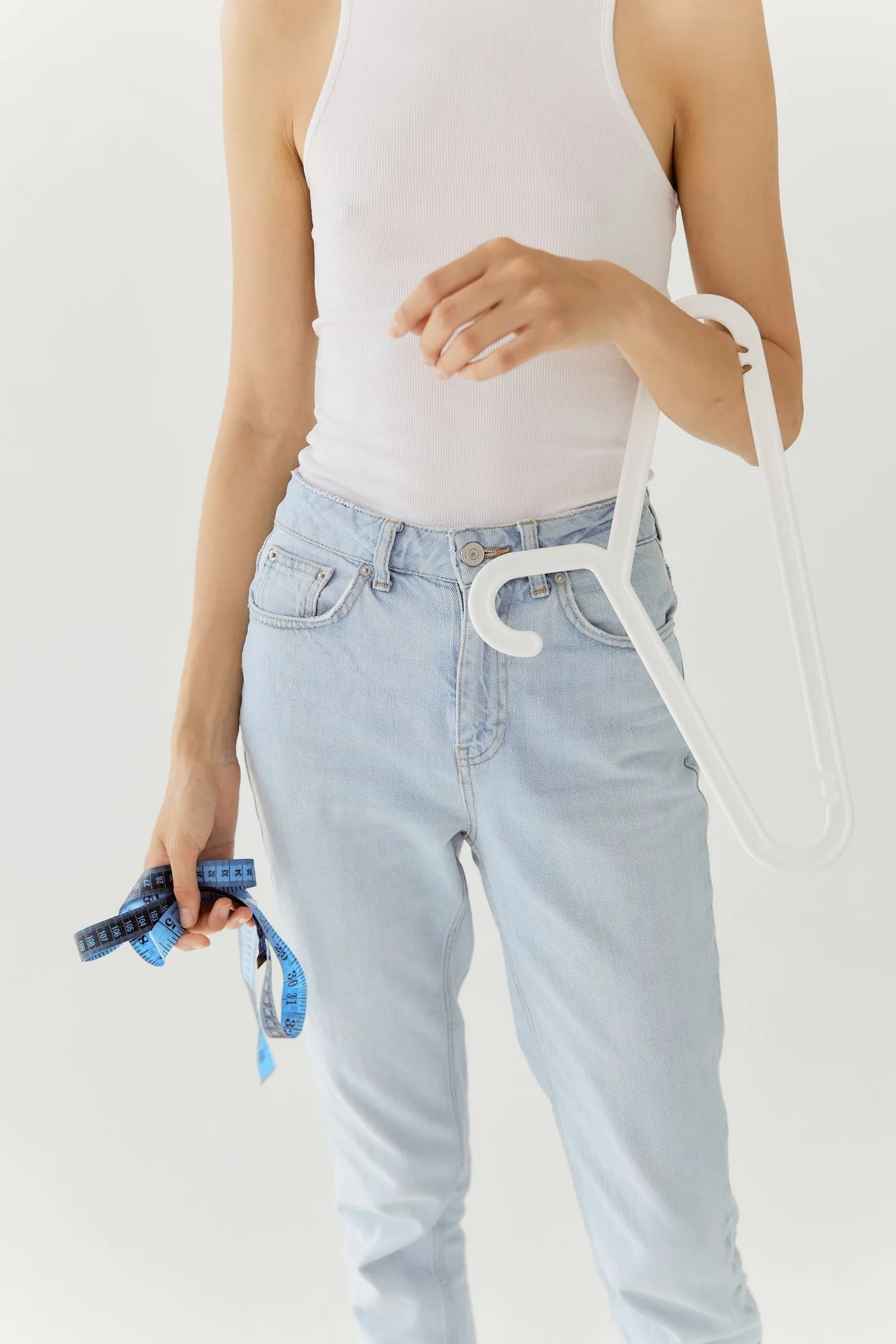
A measurement diagram can make a clothing listing look precise while the numbers remain difficult to compare. A line may begin at a different point from your own reference, or several photographed garments may share one unclear caption. Keep the method connected to the exact item before relying on the figure. Precision in appearance should not hide uncertainty about what was actually measured.
Identify the garment first
Read the listing title and relevant version beside the diagram. A bundle or gallery can make it unclear which item a figure belongs to. Preserve the actual product identity rather than assigning a measurement to the garment that looks most similar.
Keep known details separate from assumptions about size labels, material or era. A pale shirt and another familiar top may share one number while having different construction. A diagram is one reference, not a complete description of how the product will serve your outfit.
Locate the start and end points
Look at where each line begins and ends. A sleeve reference from a shoulder seam is different from one beginning at another stated point. Retain that distinction instead of copying only the number into a comparison note.
If the line position is unclear, ask about the exact points rather than requesting the same figure again. A repeated number cannot resolve an uncertain method. A clearer explanation may be more useful than another apparently precise digit.
Preserve units and arrangement
Record the supplied unit and whether the figure describes a flat dimension, circumference or another explained reference. Keep those kinds of information distinct. An unexplained conversion can make a comparison look more authoritative without improving its underlying evidence.
Notice any specified garment position. Do not stretch or reshape an owned item merely to make its reference agree with the listing. Relevant product guidance and appropriate gentle handling still apply to a personal measurement note.
Compare only understood information
Use an owned garment where the methods are genuinely comparable. If they differ or remain unknown, retain that limitation. One clear enquiry can support a better decision than a large table of incompatible figures.
Read the rest of the clothing information independently. A useful sleeve or waist comparison cannot answer every neckline, fit, care or ordinary comfort question. Keep those decisions with evidence capable of addressing them.
Keep the reference current
Save the diagram, exact item and relevant clarification through the appropriate purchase process. Do not silently substitute a current listing for the garment actually considered if the page later changes. Mark a historical entry appropriately where ownership or product context changes.
An accurate diagram reference helps you assess numbers without demanding certainty they cannot supply. It supports a clothing decision by keeping identity and method visible, while leaving room to seek clarification, postpone or use an already understood garment when the comparison remains incomplete.
Related reading
Finding Your Denim Fit Without Chasing Every Trend, Getting a Clear Alteration Quote for Clothes You Still Use.
Our guides offer styling and buying criteria, rather than hands-on product test results. Always check the retailer’s current measurements, materials, prices and return terms before ordering.