· 3 min read
Low Block-Heel Shoes for a Day That Includes Standing
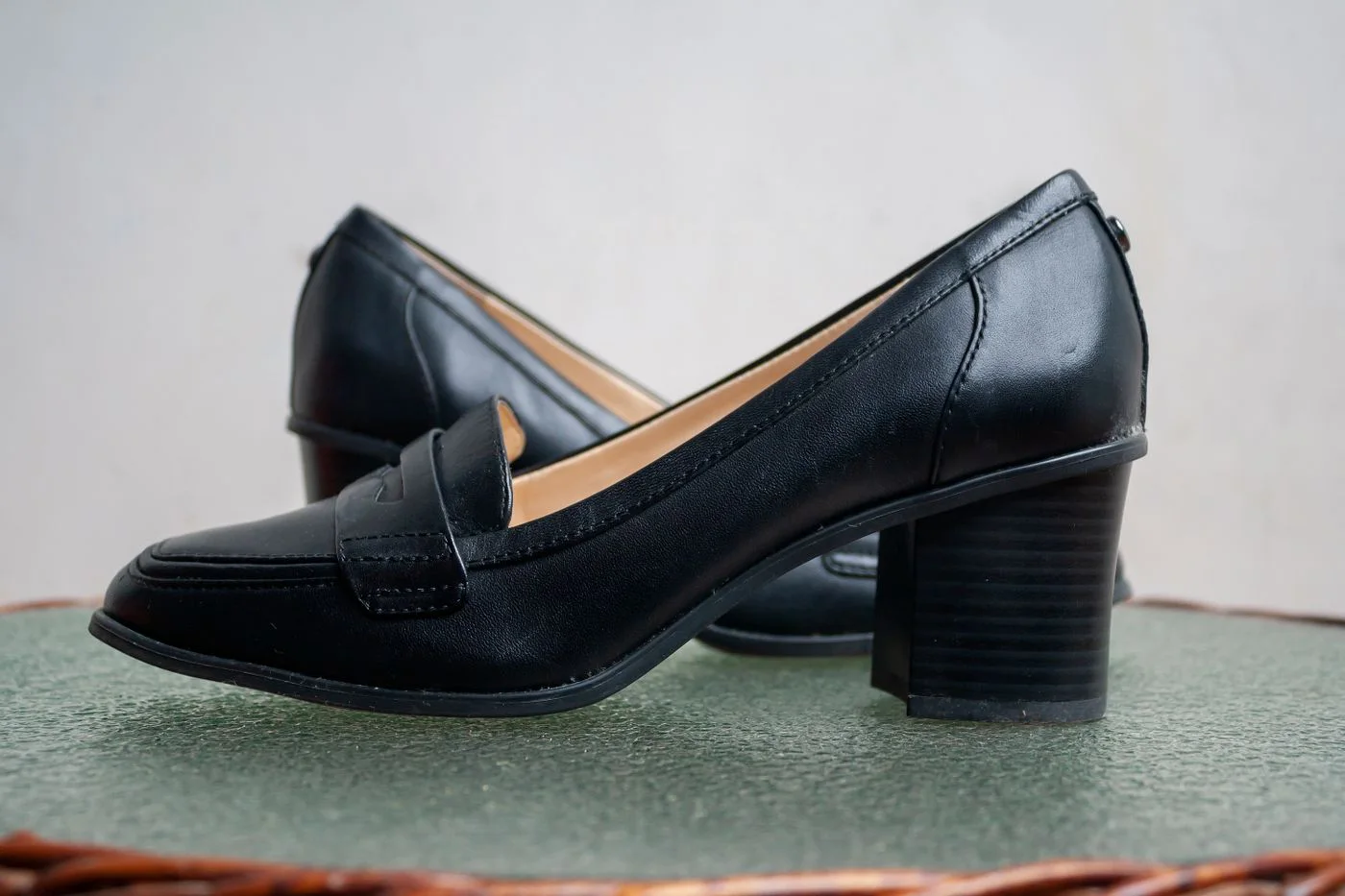
A low block heel can offer one useful option between a flat and a higher occasion shoe. The broader heel does not guarantee comfort by itself, however. Toe space, heel hold, upper and the intended activity all matter. Try both shoes with the real outfit and legwear, including some standing time, before deciding they can cover an ordinary day and a social plan afterwards.
Begin with fit rather than height
Wear the intended socks or tights and walk on a suitable permitted surface. Check where the shoe holds the heel and whether toes have comfortable room. A strap or close upper should not need excessive pressure to prevent slipping. If rubbing appears during a short trial, compare another fit before assuming the pair will become comfortable through a long day of wear.
Stand as well as walk
Remain still briefly and notice balance and pressure. A reception, queue or conversation can involve more standing than a product description suggests. Consider the actual route and venue surfaces, using relevant current information where needed. A shoe suitable for one indoor setting may not suit every outdoor plan. The shape you like should have a realistic useful role.
Check the hem with the actual pair
Try the trousers, skirt or dress and inspect ground clearance all around. A small height difference can change a full-length hem. Walk and sit without holding fabric in place. If the outfit only works with an uncomfortable shoe, consider an appropriate hem alteration or another owned combination instead of making the footwear compensate for a separate fit problem.
Compare with a familiar flat
An occasion does not automatically require a heel. Try the flat and low-heeled options with the same clothes, then decide which serves the event and comfort better. Texture, proportion or one accessory can create a more considered mood without height. Avoid planning a complete shoe change by default if it adds a second bag and uncertain storage to an otherwise simple day.
If the foot slides forward
Reassess the shoe's shape, size and height rather than adding several improvised inserts. An adjustment that crowds another area may not solve the cause. Follow the maker's guidance and ask appropriate footwear advice where useful. Do not tighten a strap until it becomes uncomfortable to make an unsuitable pair feel secure.
What should be checked before repeat wear?
Inspect heel tips, soles, closures and uppers and allow time for competent repair if needed. Clean with products appropriate to the actual materials, not a generic treatment for every dark shoe. Try again after repair. A useful low heel is one that supports the day comfortably, leaving your attention on the plans rather than repeated slipping, pressure or the need to carry a different pair everywhere.
Related reading
Continue with Autumn Outfits for Days When the Weather Changes and Birthday Gifts for the Friend Who Is Hard to Shop For. These existing guides provide a broader starting point for the related wardrobe, home or planning decision.
Our guides offer styling and buying criteria, rather than hands-on product test results. Always check the retailer’s current measurements, materials, prices and return terms before ordering.