· 3 min read
Getting a Clear Alteration Quote for Clothes You Still Use
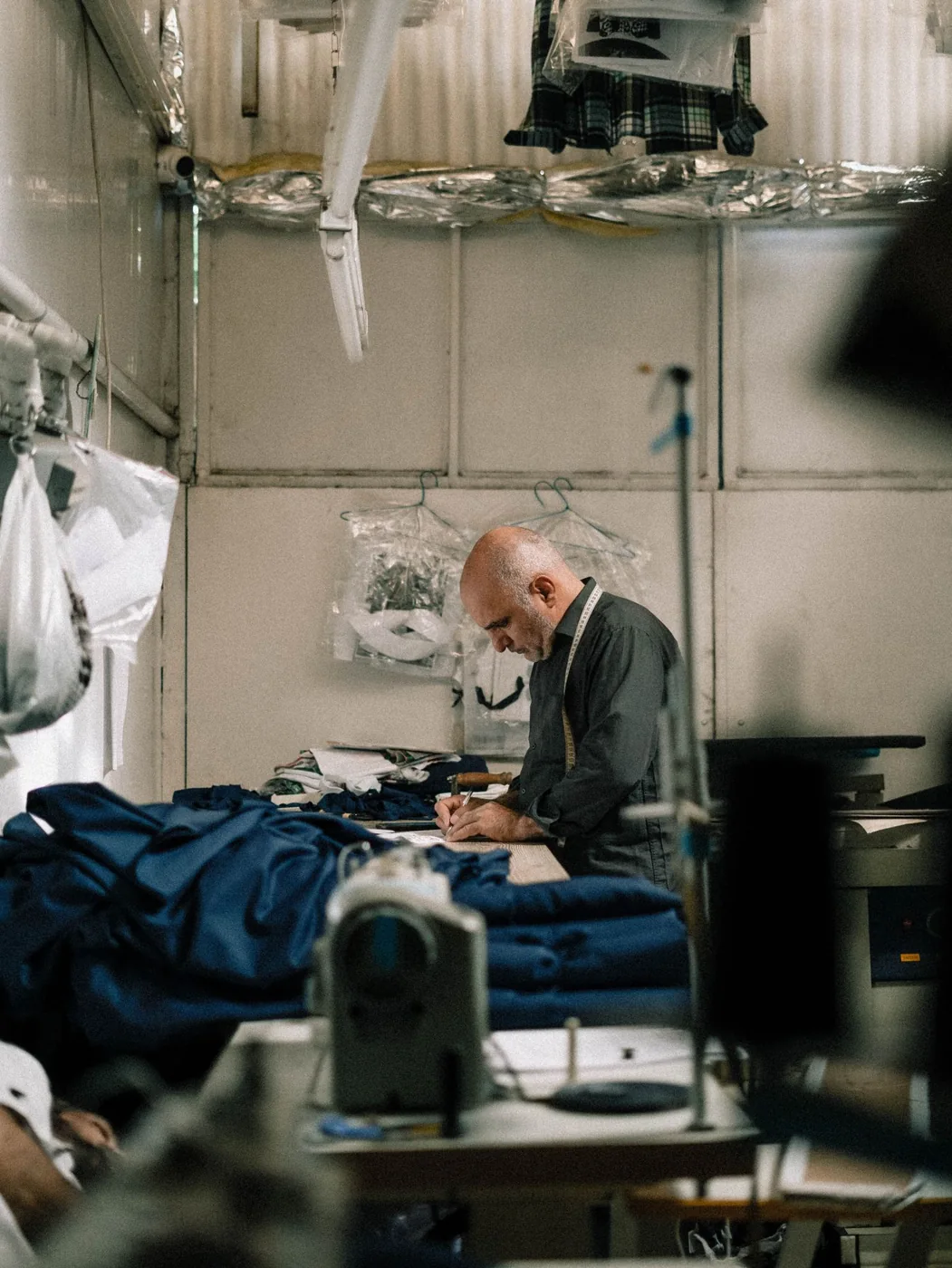
A garment can remain useful even when one detail no longer works well. An alteration may help, but begin with a specific problem and a clear quote rather than a general hope that everything can be made different. A hem adjustment, waistband change and shoulder alteration are not the same job. Understanding the scope helps compare the work with the garment's realistic future role.
Describe what happens during use
Try the item with the shoes, underlayer and other pieces involved. Note whether the hem drags, waist gaps or sleeve restricts reaching. Separate those observations from a vague wish that the garment looked better. If several areas are uncomfortable, another cut may be more practical than a sequence of alterations. The fitter benefits from knowing the activity as well as seeing the standing shape.
Inspect condition before paying for fit
Look at seams, fastenings and areas of thinning. A sound garment with a useful role is a different prospect from one with extensive wear. Include repairs and cleaning in the decision, rather than paying for a better hem and discovering that the seat or lining needs more work. Ask appropriate specialist advice for delicate or significant pieces before irreversible changes.
Bring the right companions to the fitting
For trousers, wear the priority shoes. For a jacket, use the shirt or knit intended beneath it. If the garment must serve two shoe heights or layering arrangements, explain that before the final length is chosen. A compromise should be deliberate and practical. Do not assume the fitter can infer the normal day from an unfamiliar fitting-room base.
Ask how construction will change
Buttons, vents, lining, pockets and decorative borders can affect an apparently small alteration. Ask where the work will be done, what will be preserved and whether sufficient material is available. Request the cost and completion arrangements clearly. The cheapest-looking change is not always the simplest one, and an original feature may matter enough to choose a different solution.
Compare total cost with actual use
Consider how often the garment will be worn after the work and whether the maintenance still fits the routine. Its original price is only one reference. A modestly priced useful favourite may deserve repair, while an expensive item with no clear role may not become worthwhile through more spending. You do not have to approve additional work immediately after hearing a proposal.
What if the result still feels wrong?
Explain the specific issue and review it with the provider under the agreed arrangements. Try movement and sitting again rather than judging only the mirror. Keep any care instructions for altered seams and retain spare matching components appropriately. A good alteration decision is informed and limited to a useful purpose, not an obligation to rescue every garment that has remained unworn in the wardrobe.
Related reading
Continue with Five Ways to Wear Relaxed Tailored Trousers and A Simple Seasonal Closet Reset Without Starting Over. These existing guides provide a broader starting point for the related wardrobe, home or planning decision.
Our guides offer styling and buying criteria, rather than hands-on product test results. Always check the retailer’s current measurements, materials, prices and return terms before ordering.