· 3 min read
Finishing the Laundry: A Simple Return-to-Wardrobe Routine
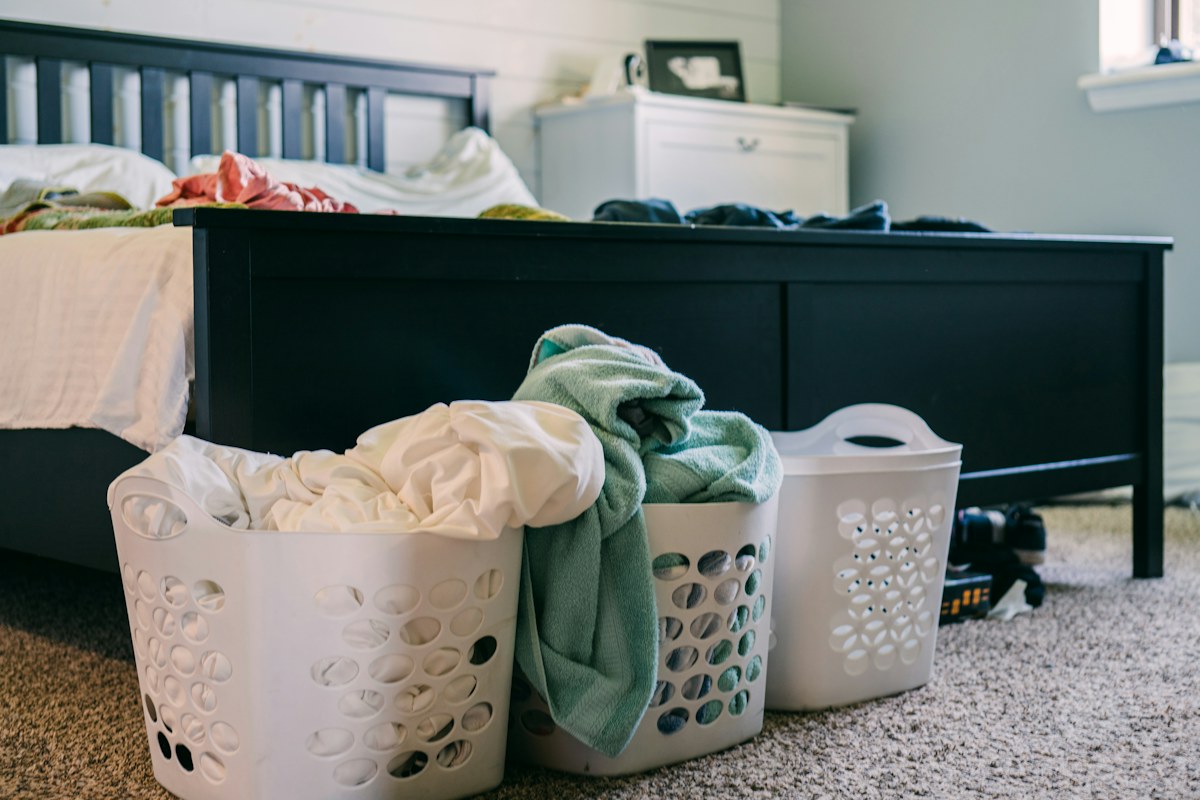
Clean laundry is not finished when it leaves the machine. It needs suitable drying, sorting and a manageable route back to storage. If the last stage regularly stalls on a chair, begin with that handover rather than buying another basket. A small consistent return routine can make useful clothes available without turning the whole evening into folding every textile in the home.
Check that items are actually dry
Follow care guidance and allow the appropriate drying process to finish before storing. Thick seams, waistbands or linings may need a separate check from the surface. Do not close damp items in drawers or bags simply to clear the room. The priority is suitable care and readiness, not an empty basket at any cost.
Sort by destination
Group clothes according to the room or storage location where they belong. This can shorten repeated trips with a mixed armful. Keep items needing repair or another care step separate from ready-to-wear clothes and label the specific next action if useful. A loose button should not disappear into the wardrobe as though the garment is fully ready for an early start.
Use a manageable carrying container
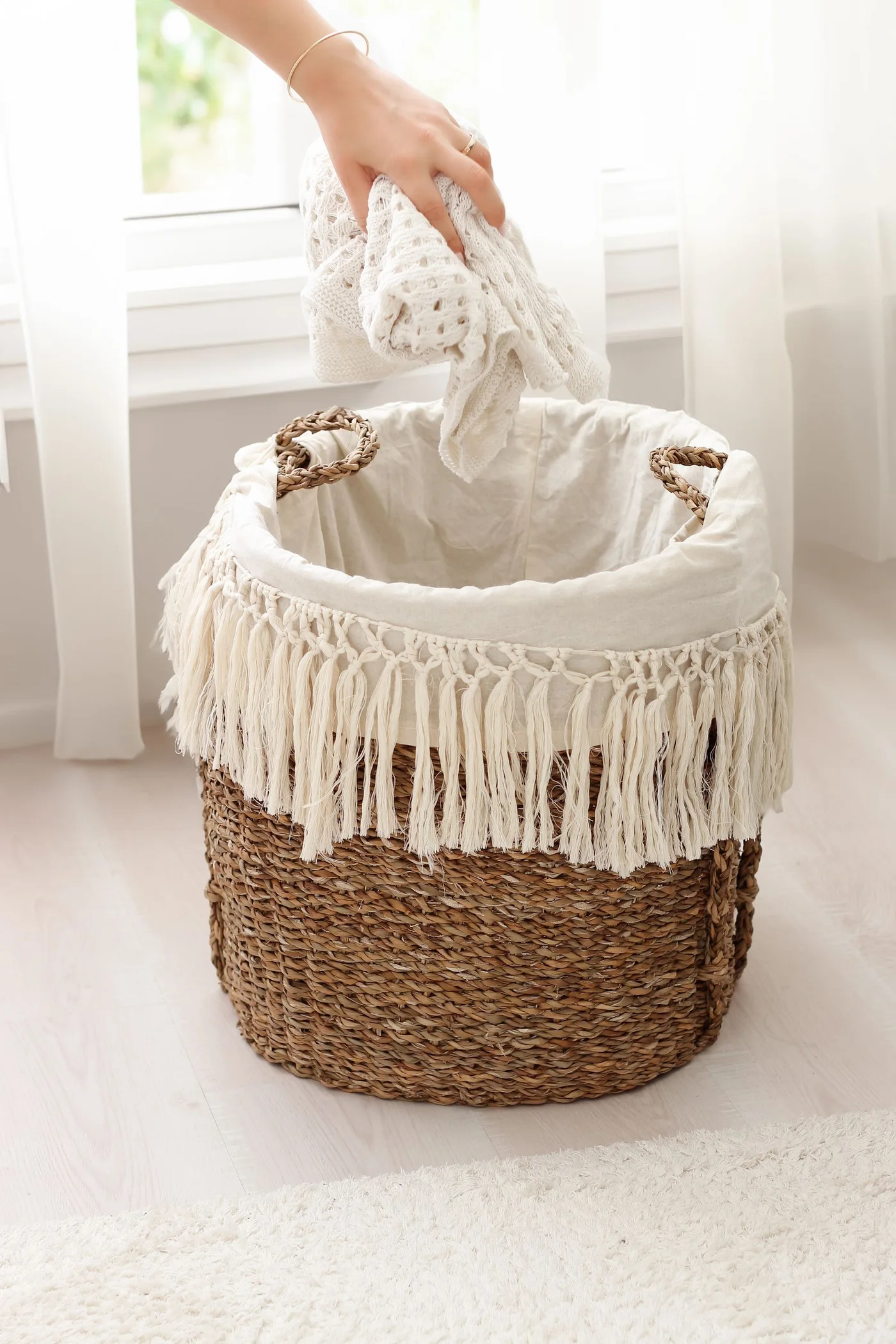
Choose a basket or bag that can be lifted comfortably with the actual load. Several smaller trips can be more practical than one heavy container. Measure doorways and storage clearance where the basket will live. A decorative large hamper does not automatically make the return stage easier if it is awkward to carry or too far from the places clothes are removed and put away.
Complete one storage area at a time
Put away the first destination group rather than leaving another sorted pile on its chair. Use hangers and folding methods suitable for the garments. Heavy knitwear may need supported folding, while shaped jackets need appropriate support. Follow actual labels and construction rather than applying one method to every piece. Keep daily-use items accessible enough that returning them does not require moving several unrelated objects.
If the same pile keeps forming
Observe where the routine stops. Drying capacity, crowded drawers or an overlarge batch can each contribute. Change one issue before adding storage equipment. A smaller load finished fully may be more useful than several loads waiting at the same stage. The system should fit available time and space, not an ideal household schedule that is repeatedly missed.
Does every item need elaborate folding?
No. Choose suitable practical storage according to fabric, shape and use. The useful standard is clean, dry, cared-for clothing that can be found and worn without unnecessary damage. Keep repair tools safely stored and return the empty container to its defined place. A realistic laundry routine ends with clothes available for real life, rather than a permanently tidy-looking pile moved between surfaces.
Related reading
Continue with Building a Wardrobe You Actually Wear and A Spring Capsule Wardrobe Built Around Your Actual Plans. These existing guides provide a broader starting point for the related wardrobe, home or planning decision.
Our guides offer styling and buying criteria, rather than hands-on product test results. Always check the retailer’s current measurements, materials, prices and return terms before ordering.