· 5 min read
Building a Wardrobe You Actually Wear
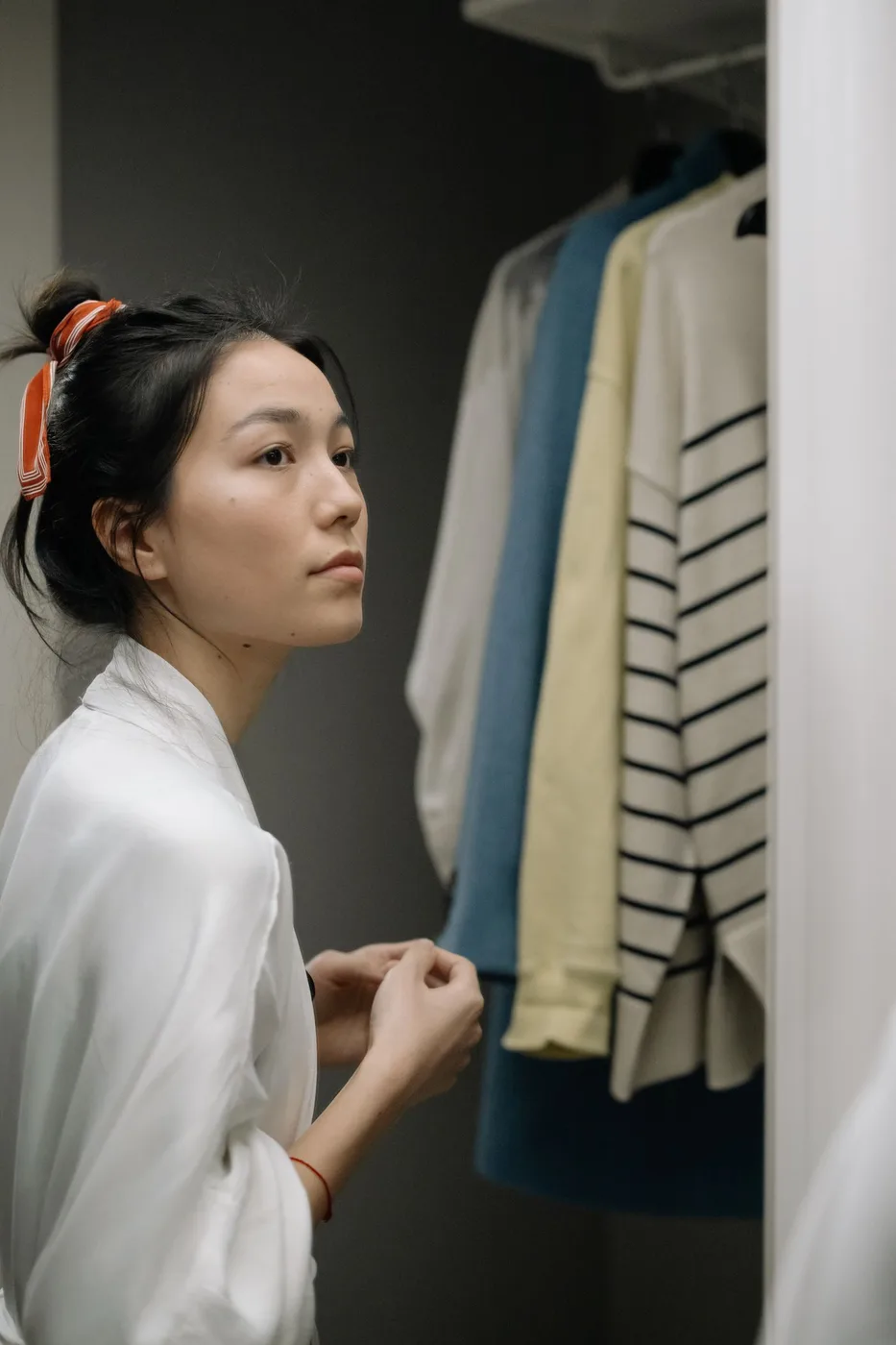
A wardrobe can look generous on the rail and still leave you stuck on a Tuesday morning. Usually the missing ingredient is a clear connection between the clothes and the week ahead. A dress suited to a wedding cannot solve a rainy commute, and another party top will not make school pickup easier.
Start with the places you actually go. The aim is a small collection of dependable combinations, with enough variation to make getting dressed enjoyable. You do not need to clear everything out or buy a matching capsule in one shopping trip.
Map an ordinary fortnight
Write down ten to fourteen days of activities: office days, working at home, errands, dinner, exercise and any occasions requiring specific clothes. Add the practical conditions. A twenty-minute walk, a warm office and a bicycle ride all change what an outfit needs to do.
Count how many outfits each setting requires before laundry. Someone washing clothes twice a week needs a different number of everyday tops from someone using a shared laundry once a fortnight. This simple calculation is more useful than a universal list of wardrobe essentials.
Then look at your existing clothes through that lens. Put the pieces you regularly wear together on a separate part of the rail. Notice recurring proportions, colors and fabrics. They are evidence of your preferences, even if they are different from the outfits you save online.
Build three complete formulas
Choose three combinations that suit most of your week. For example: straight jeans, a cotton tee and a cardigan; relaxed trousers, a knit and flats; or a washable skirt, a simple top and sneakers. Include the shoes and outer layer, because an outfit that stops at the ankle is unfinished.
Try each formula on and move around. Sit at a table, raise your arms, climb a step and check the neckline under your usual jacket. Take a quick reference photograph if useful. The goal is to remove the small uncertainties that make you abandon an outfit at the last minute.
Our guide to relaxed tailored trousers offers several combinations for one adaptable piece. If denim is your everyday anchor, use the denim fit guide before adding another pair.
Identify a gap, then write a brief
A useful shopping brief describes a job. “A navy washable layer that fits over my striped tee and under my coat” is specific. “Something to refresh my style” is not. List your maximum comfortable spend, required care routine and the pieces the purchase must work with.
Before checking out, name three outfits using clothes you already own. Check that those outfits cover a genuine activity on your calendar. If all three depend on additional purchases, the item may be creating work instead of solving a gap.
Pay attention to care labels and fastening details. A dry-clean-only trouser can be a reasonable choice for occasional wear, but an inconvenient choice for daily commuting. A beautiful neckline that needs an unfamiliar bra may come with another expense. Include alteration costs in the decision.
Use color to connect, not restrict
You do not need to dress entirely in beige. Pick two or three colors already common in your wardrobe and use them as easy connectors. Navy, cream and olive might suit one person; black, denim and burgundy might suit another.
Keep prints and brighter pieces if you enjoy them. A patterned skirt can become dependable when it works with several plain tops. Repetition is helpful: wearing a favorite combination in different settings is one of the rewards of buying thoughtfully.
The tradeoff of a tightly coordinated wardrobe is that it can feel repetitive. Leave room for one or two expressive pieces, particularly if your work clothes already have strict requirements.
Make the wardrobe easy to use
Store complete, wearable clothes where you can see them. Move repairs to a separate basket and set a realistic deadline for fixing them. Keep out-of-season items elsewhere when space allows, but do not hide a rain layer simply because the calendar says summer.
Before buying a duplicate, check whether the original is unavailable because it needs washing, mending or a better storage spot. Sometimes the useful purchase is a spare everyday tee. Sometimes the solution is a more reliable laundry routine.
Try the approach for a month. Record the outfits you repeat willingly and the pieces you keep avoiding. Change one problem at a time rather than rebuilding around an idealized version of your life.
Frequently asked questions
How many pieces should an everyday wardrobe contain?
There is no required number. Your weather, dress code, laundry interval and storage space matter more than a capsule total. Start with enough complete outfits for your busiest ordinary week.
Should everything be a neutral color?
No. Coordination is useful, but enjoyment matters too. Keep the colors you reach for and build practical combinations around them. A smaller wardrobe works best when it still feels like yours.
Our guides offer styling and buying criteria, rather than hands-on product test results. Always check the retailer’s current measurements, materials, prices and return terms before ordering.