· 3 min read
Keep Dining-Table Pauses Separate from Unfinished Tasks
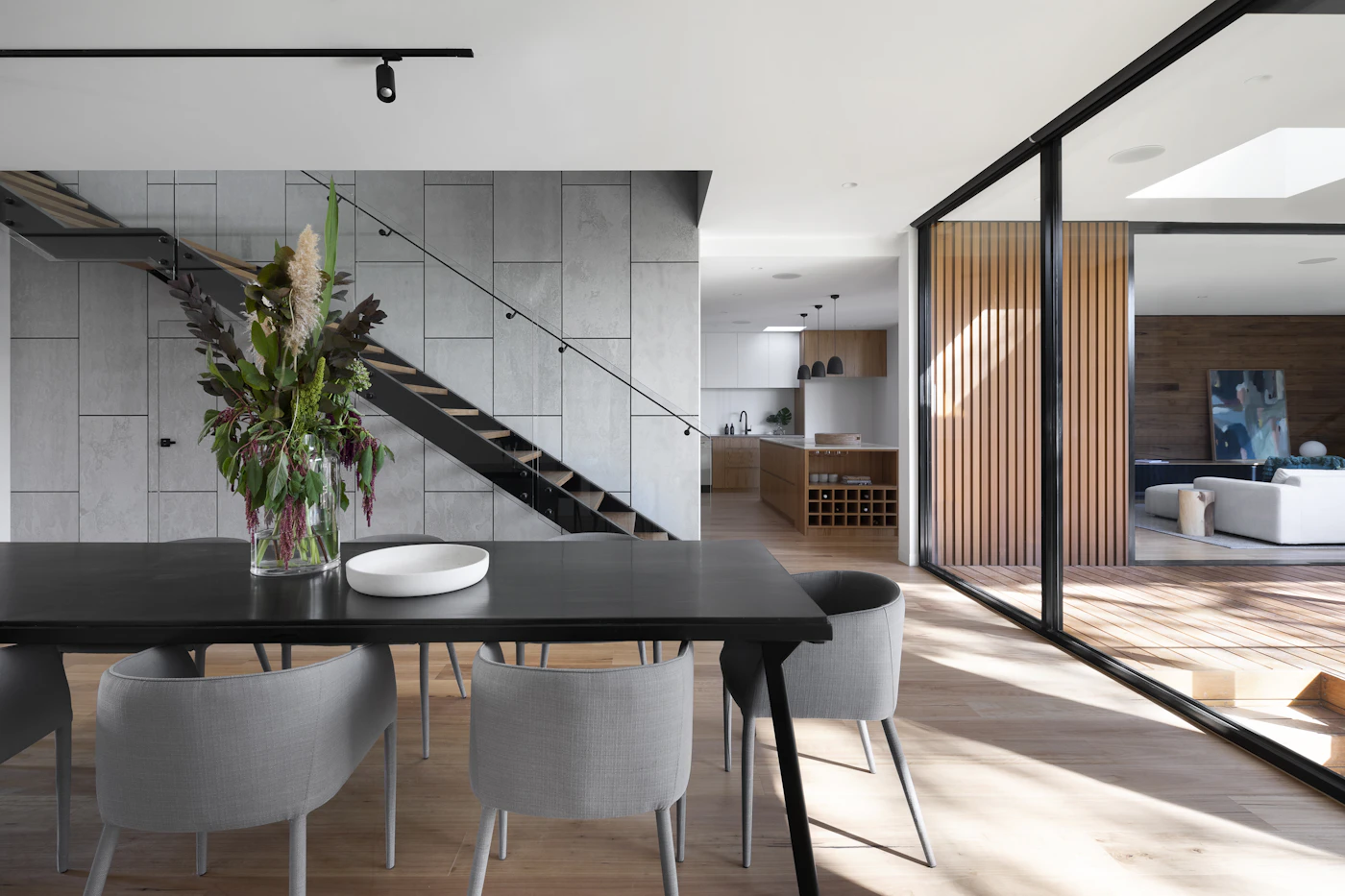
A dining table can become a temporary desk, reading place and landing spot during the same day. Resetting it should restore a useful role without hiding the meaning of the objects left behind. Moving everything into one basket may create a calmer photograph while losing the next action for a receipt, note or borrowed item. Begin with the actual task rather than an obligation to empty the surface at any cost.
Name the next use
Choose what the table needs to support now. An ordinary meal and a household project can require different arrangements. Keep the real furniture guidance and shared room route in view rather than assuming an open-plan image describes your own space.
Limit the review to the belongings that matter. Emptying nearby cupboards can create a larger unfinished job than the surface problem. A modest reset is easier to finish and easier for other household members to understand.
Return straightforward belongings
Put ordinary objects back in their established suitable places where appropriate. A current book may return to its reading location, while another person's item needs a clear handover. Do not absorb unfamiliar belongings into your storage because they fit neatly into the available box.
An object does not need to keep a permanent table role simply because it has paused there for several days. Decide whether it genuinely supports the next activity. A convenient position is not the same as an understood home.
Preserve real paperwork actions
Read a note or receipt before relocating it. Name the actual next step with enough context to understand later. An unexplained folded paper under a decorative object can lose its purpose even while the room looks tidier.
Keep private information appropriately stored and avoid copying unnecessary details into a visible reminder. A short plain phrase identifying the item and action can be enough. The aim is continuity rather than a public list of personal errands.
Give uncertainty an honest pause
An unfamiliar component or unresolved question should remain connected to the actual object. Do not assign it to a nearby product because the colours match, and do not conceal it in a decorative group where the uncertainty disappears.
Choose an appropriate modest temporary place. If another person helps, explain which items are genuinely ready to return and which remain unresolved. An instruction to clear everything can hide several statuses that need different next steps.
Restore a usable surface
Bring back only belongings that actually support the next table role. A decoration can be a personal preference without making every ordinary activity begin with a large rearrangement. Keep seated access and the shared route useful.
Review the routine when a real problem returns rather than repeatedly styling an unchanged group. A practical table reset can leave a pleasant room and an understandable remaining action, allowing household life to continue without making visible tidiness pretend that every task is finished.
Related reading
Dining Chairs with Room to Stand and Pass, A Clear Stopping Point for a Small Desk.
Our guides offer styling and buying criteria, rather than hands-on product test results. Always check the retailer’s current measurements, materials, prices and return terms before ordering.