· 3 min read
Dining Chairs with Room to Stand and Pass
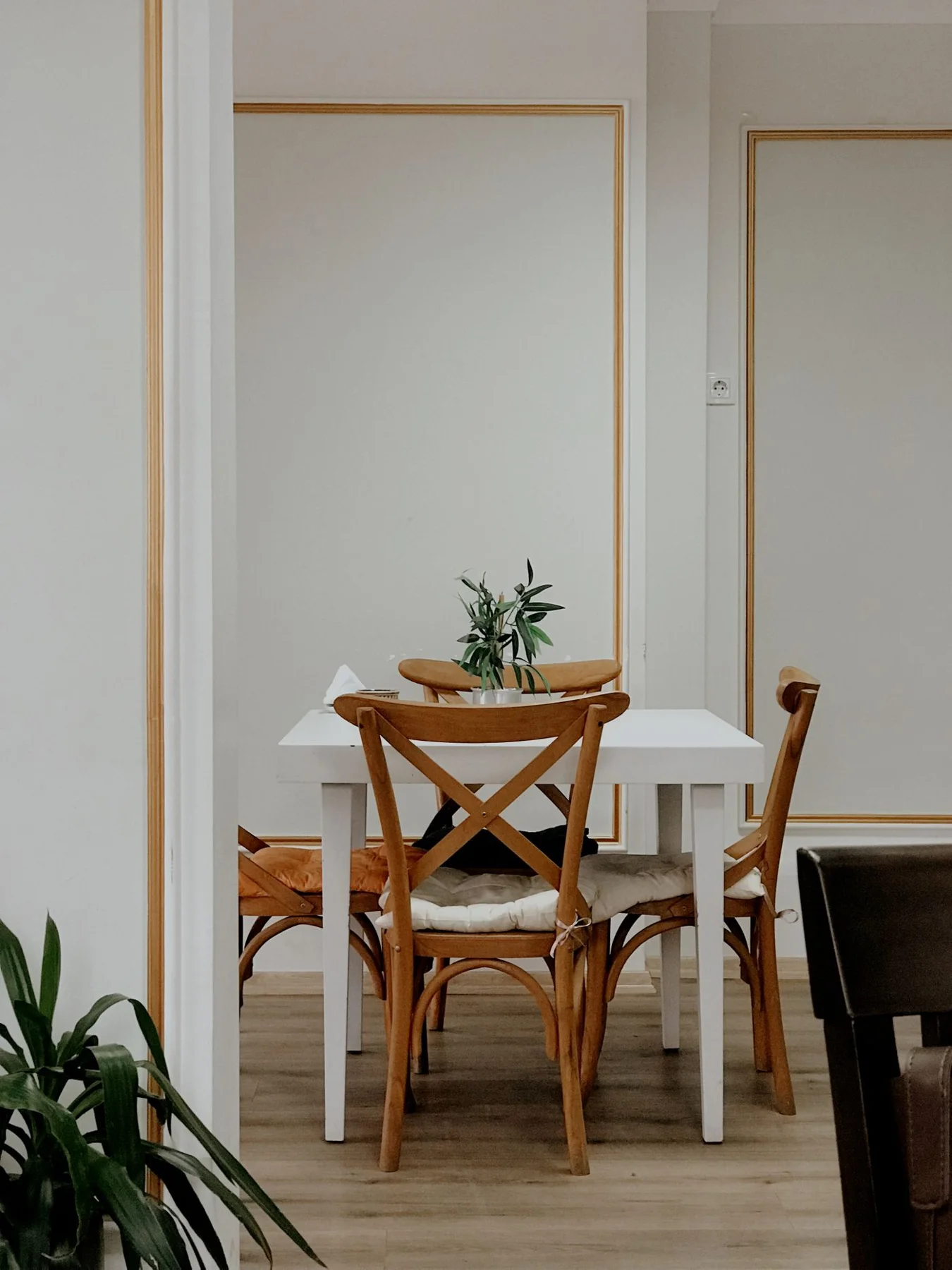
The number of chairs that fit around a tabletop is not necessarily the number of comfortable dining places. Table legs, armrests and standing room affect use. Test the occupied arrangement before expanding the set. A practical layout lets someone leave the table without requiring everyone else to remain still. It may use fewer seats than the first visual estimate while making ordinary meals easier to start and enjoy.
Measure beneath the top
Check gaps between legs and clearance below any apron. Compare seat width, arm height and knee space. Outside table dimensions do not show every usable opening. A chair can tuck away neatly and still keep its user too far from the edge. Include cushions only when they will actually be used, since they change seated height and available room.
Set an everyday place
Use normal dishes and sit at each proposed position. Notice elbow room, thigh clearance and comfortable reach. End seats may behave differently from the sides. A decorative chair suitable elsewhere is not automatically useful for dining. Choose by the actual meal position rather than a matching finish. Check the ease of standing and sitting again as part of the same trial.
Walk behind the occupied chair
Assess the route while someone sits, then with the chair pulled out. Include doors, cupboards and nearby furniture. Keep required access clear and consider different users' needs. If the arrangement only works when nobody moves until the meal finishes, reduce places or choose another suitable layout. A comfortable smaller group can be more welcoming than an overloaded table with no practical passing space.
Inspect construction and floor movement
Check stability, intended use and condition. Seek competent repair advice where joins are uncertain. Cosmetic refinishing does not correct structural movement. Follow care and loading guidance and use suitable floor protection where appropriate. Consider the regular user's ability to move the chair comfortably. A light-looking design still needs stability, and a substantial one should remain manageable.
Keep the surface usable
A large permanent centrepiece can remove space needed for plates or shared dishes. Try a modest removable object or leave the table clear. Bags and temporary possessions need another destination when they repeatedly occupy the seats. The useful dining arrangement should not begin with a clearing project. Decoration can accompany the function without claiming every available gap.
Where should occasional seating go?
Identify a suitable storage place before buying extras. Fold or stack only where the product is designed for it and store safely. Do not let spare chairs narrow the main route all week to solve a rare gathering. The successful setup provides comfortable everyday places and clear movement, keeping the room practical between visits rather than permanently organised around the maximum possible guest count.
Related reading
Personal Hostess Gifts That Make Dinner Invitations Easier, Thoughtful Gifts for the Friend Who Loves Staying In.
Our guides offer styling and buying criteria, rather than hands-on product test results. Always check the retailer’s current measurements, materials, prices and return terms before ordering.