· 3 min read
Read a Desk Lamp’s Dimensions beside the Existing Desk
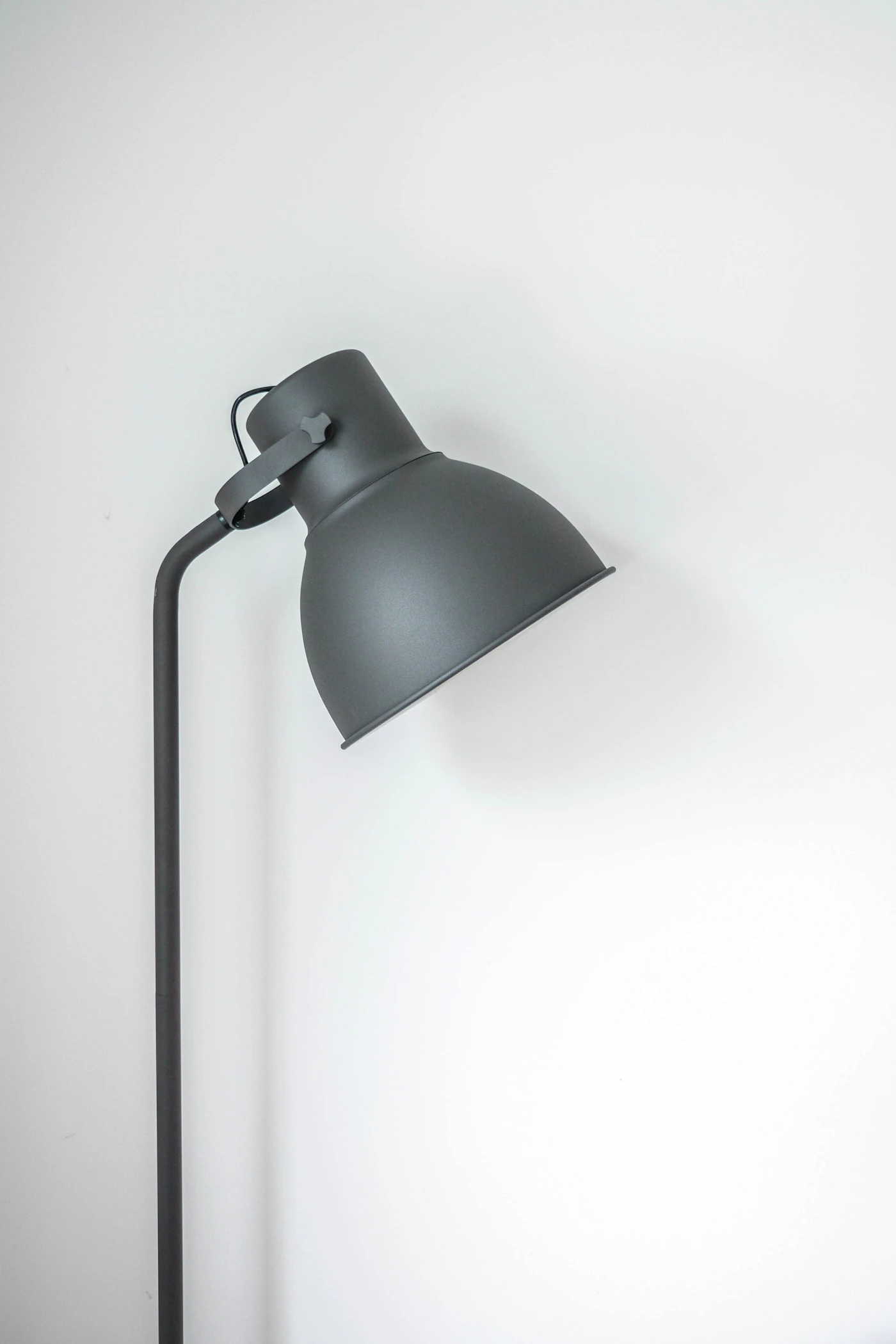
A desk lamp photographed against a pale wall can look like a simple shape with no scale problems. The actual desk adds devices, books and the routine of closing work at the end of the day. Read the stated dimensions beside those real uses before choosing the object. A useful decision lets appearance matter while keeping product information and the existing workspace central.
Name the actual desk role
Choose the tasks the lamp would support and identify the furniture already available. Keep a current need separate from the attraction of a new object. An existing suitable arrangement may already serve the role, or the comparison may reveal a specific information gap.
Read relevant desk and lamp guidance rather than assigning functions from appearance. An adjustable-looking silhouette does not establish every supported movement or use condition. Preserve an unfamiliar detail for appropriate clarification.
Keep measurements with their context
Record the exact product and relevant variant beside the supplied dimensions. A gallery may contain several versions, and a close crop can make scale hard to judge. Do not infer measurements from an unrelated object or treat all similar images as one product.
Retain units and the explanation of what is measured. A figure without its context can appear more useful than it is. Compare only what the information genuinely supports rather than completing missing details from another lamp at home.
Review the occupied workspace
Include the objects that actually serve the desk. A product should not fit only in an imagined permanently empty surface. Keep the furniture's real guidance and ordinary access clear rather than treating every visible gap as usable capacity.
Consider how the desk changes between tasks. A book or device may return elsewhere while the lamp retains its own place. The addition should have an understood role during that reset rather than create repeated confusion about where belongings go.
Read intended adjustment separately
Use the actual product description and instructions for supported adjustment. Do not force a joint or invent a configuration to reproduce another image. A specific enquiry about an unclear feature is more useful than a general request for versatility.
Keep decorative preferences distinct from practical information. You can enjoy the silhouette while deciding that another understood option serves the workspace more clearly. The image does not need to answer every question to remain appealing.
Preserve a useful decision record
Retain the exact listing and relevant clarification through the appropriate purchase process. Follow applicable guidance if ordering and compare the received identity and visible details with the information relied on. Use the appropriate process for a discrepancy.
A dimension-led desk review allows a close photograph to inform preference without turning it into a complete practical specification. It gives the actual workspace and its ordinary tasks a clear voice before another object joins the surface.
Related reading
A Clear Stopping Point for a Small Desk, A Side Table for the Seat You Use Most.
Our guides offer styling and buying criteria, rather than hands-on product test results. Always check the retailer’s current measurements, materials, prices and return terms before ordering.