· 3 min read
Compare Dark Outfit Pieces in the Light Where They Will Be Worn
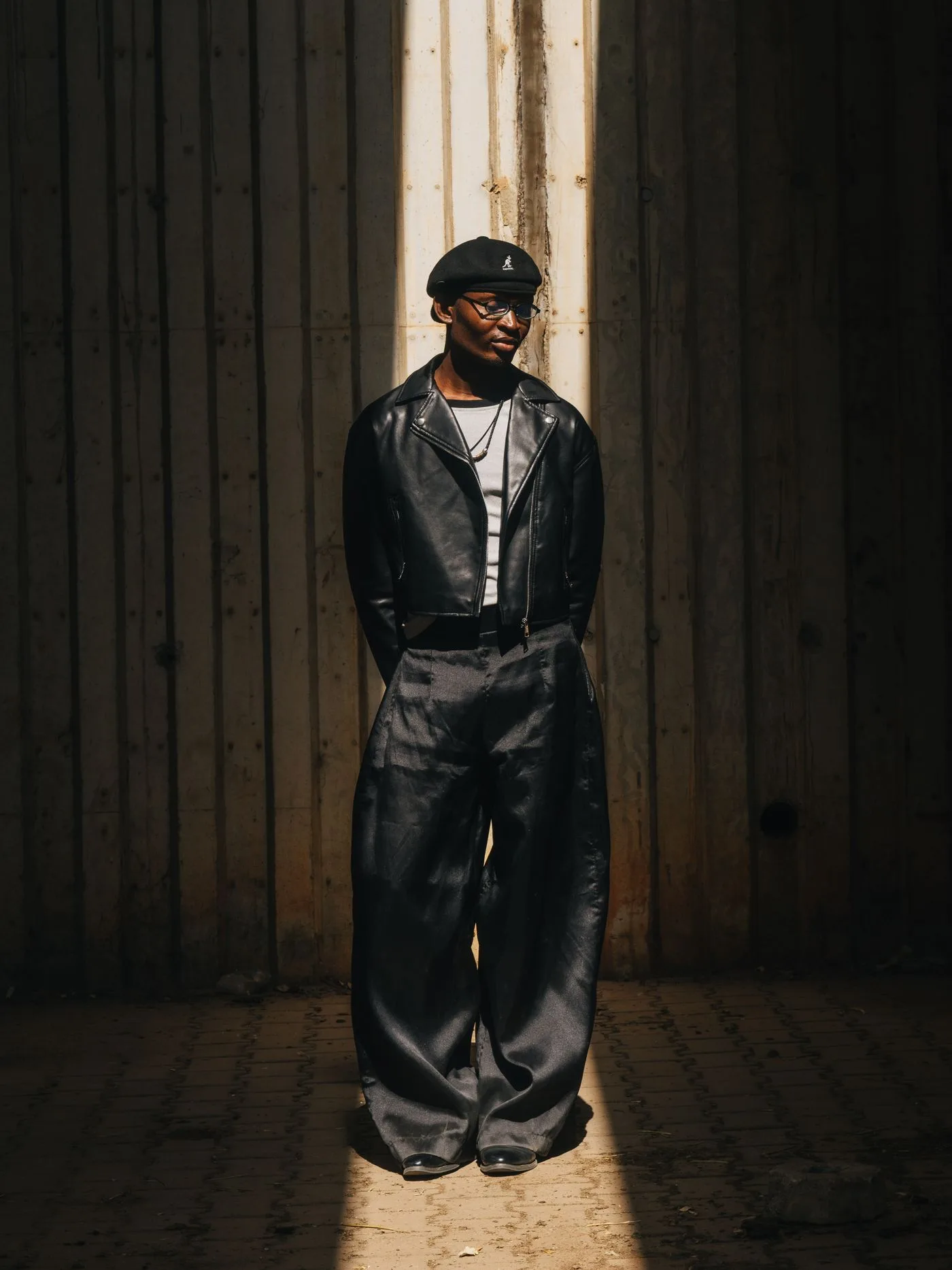
Dark clothing can create a simple outfit while still containing several visible textures and shades. Review the actual pieces in ordinary relevant light before deciding they form the group you want. The useful choice is an understood combination, not a promise that every dark garment will look identical in every setting.
Choose the real outfit group
Begin with the top, trousers or skirt and outer layer intended for the activity. Use their ordinary fastening and wearing positions. Avoid comparing fabric swatches in isolation when the decision concerns the whole silhouette.
Keep product care and intended use central. A visually pleasing dark combination does not establish suitability for every activity or condition. Check current venue requirements directly where they matter rather than treating colour as the whole dress decision.
Review ordinary light
Look at the outfit in a suitable setting that reflects the way it will be seen, without attempting an elaborate studio arrangement. A room's lighting and a camera can change the impression. Keep those limits in mind instead of diagnosing a garment problem from one unusual frame.
Notice whether differences between pieces are welcome or distracting to you. Similar dark shades do not need to match perfectly to form a deliberate outfit. The choice belongs to your preference and the actual garments rather than a universal rule about one colour family.
Let texture contribute
Look at the complete surfaces and shapes without forcing them into a flat pose. A textured knit and a smoother trouser can create different visual roles. Do not infer material or performance solely from that appearance; read the actual product information for those questions.
If the combination feels crowded, remove one optional detail before replacing the clothing. A quieter accessory can help clarify whether the texture relationship itself works. Keep the comparison small enough to understand what changed.
Include movement and layers
Sit and move normally in an appropriate space. Review the outfit when the outer garment is removed as well as when it is worn. The base needs a complete role indoors rather than relying on the jacket to hide a pairing you have not chosen independently.
Use the actual shoes and bag where relevant. Their surfaces contribute to the group, but they do not all need to match. Keep carrying and footwear suitability separate from the visual wish to make the whole outfit one uninterrupted block.
Keep one useful combination
If the outfit works, remember the actual pieces and activity rather than a general formula for all dark clothing. Another garment of similar colour can have a different shape or texture. A brief private note can preserve the specific choice without overcomplicating dressing.
Return the garments through their appropriate routines after use. A practical dark outfit remains manageable while allowing visible differences between familiar pieces. Its simplicity comes from an understood relationship, not from requiring every surface to look identical under every light or camera angle.
Related reading
Everyday Accessories That Make an Outfit Feel Finished, Casual Office Outfit Formulas for a Real Working Week.
Our guides offer styling and buying criteria, rather than hands-on product test results. Always check the retailer’s current measurements, materials, prices and return terms before ordering.