· 3 min read
Cooking Pots and Lids with Easy Return Storage
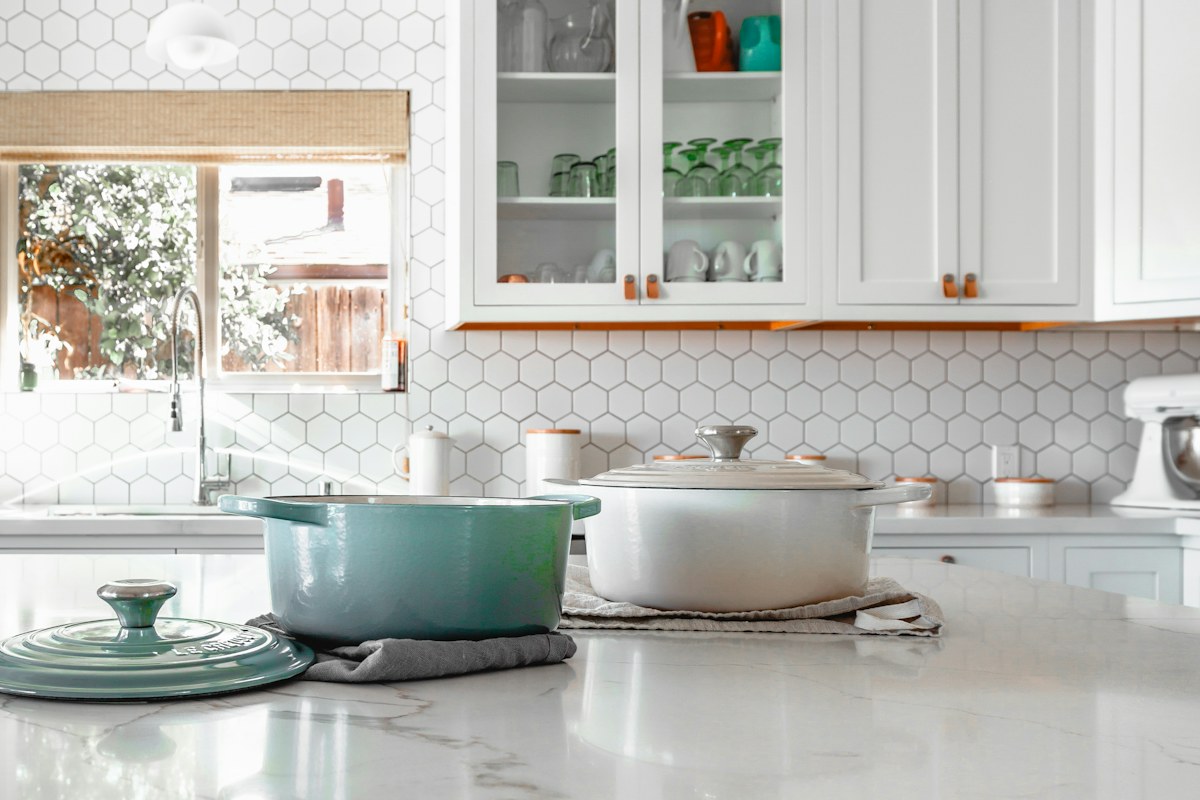
The pot cupboard is only useful if clean cookware can return without a stacking puzzle. Start with that ordinary action rather than a photograph of the doors closed. Lids, handles and large occasional pieces all affect access. A practical arrangement follows material care and furniture capacity, keeping regular items manageable without expecting every pot to nest into one dense group that must be dismantled before dinner.
Complete appropriate care
Handle food according to reliable relevant guidance and follow cookware instructions for cooling, washing and drying. Do not rush hot or unready items into storage to clear the counter. Materials and finishes differ. A tidy appearance is not a reason to ignore suitable handling or use an unsuitable cleaning method. The return step begins only when the cookware is ready for it.
Identify the regular pieces
Separate frequently used pots from occasional ones and inspect condition. Two similar pans may have distinct jobs, but an unused spare should not block the daily favourite. Check compatibility with the actual cooking method. Avoid replacing a whole set to solve one awkward lid. The main problem may be quantity or location rather than the absence of a coordinated storage system.
Match lids clearly
Check which lid belongs where and keep that relationship understandable. A rack can help when its slots and footprint suit the real lids and cupboard. Heavy glass pieces should not be crowded where removing a neighbour dislodges them. Read guidance rather than assuming every lid can be hung or stored vertically in the same way. Simpler placement may be enough.
Nest only as permitted
Follow cookware advice and use recommended finish protection where appropriate. Keep stacks manageable for the user. If the daily pot is below several heavy ones, change the order or destination. Follow furniture loading requirements and choose accessible positions. A shelf capable of holding the weight still needs enough practical room to lift the items comfortably.
Test the cupboard opening
Remove and return the usual pot and lid. Notice handles, doors and any organiser obstructing the movement. Measure the actual opening as well as the interior before buying dividers. A container can fit inside and still be awkward to extract. The arrangement should remain understandable to another household member rather than depend on memorising one exact sequence of stacking.
Where does the largest pot belong?
Another suitable identifiable location may be better if it improves everyday access. Occasional size does not automatically deserve the easiest shelf. The successful cupboard makes cooking easier before and after the meal, with appropriately cared-for cookware ready to use. It should not require reorganising the entire collection whenever one clean pot comes back from the sink.
Related reading
Coffee Cups Chosen for Hands, Shelves and Washing, Personal Hostess Gifts That Make Dinner Invitations Easier.
Our guides offer styling and buying criteria, rather than hands-on product test results. Always check the retailer’s current measurements, materials, prices and return terms before ordering.